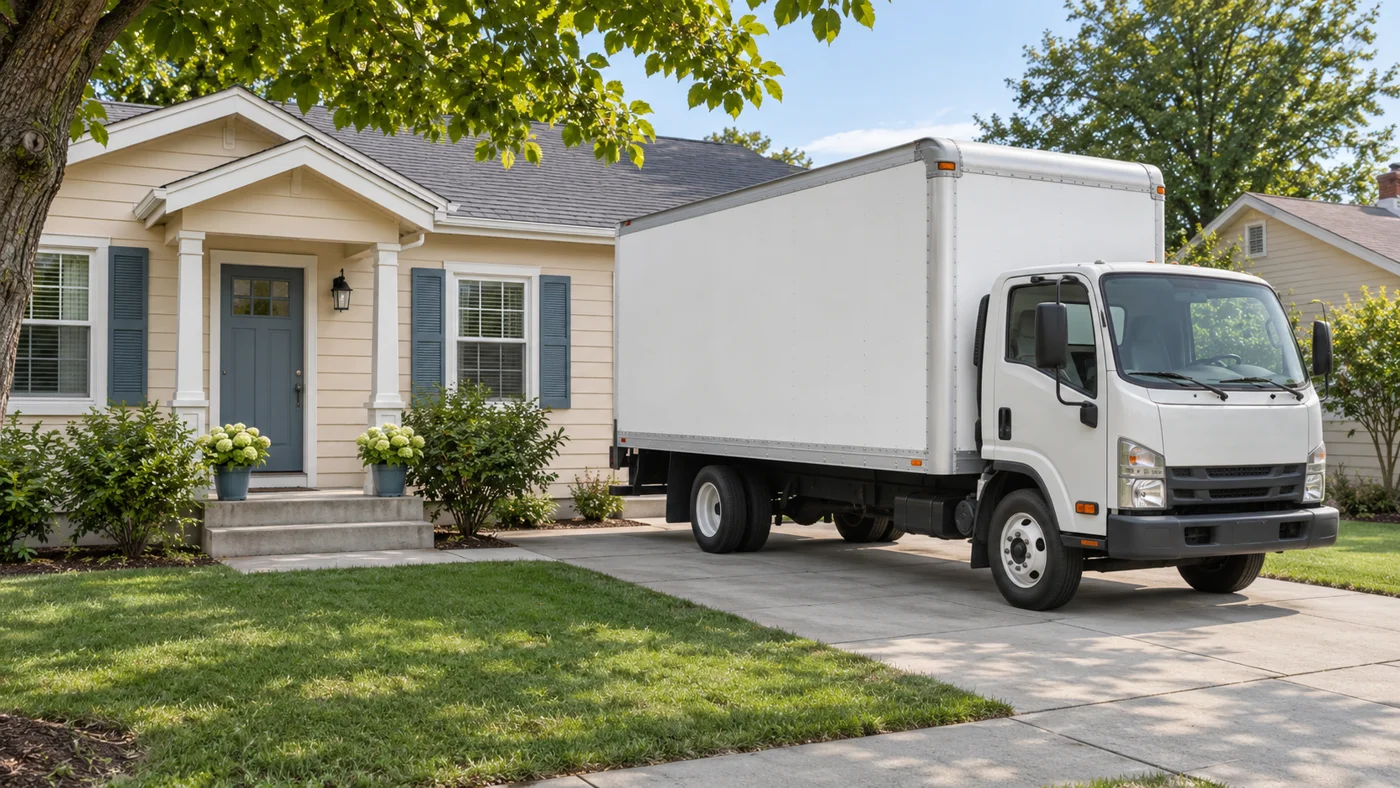
Confirm the pickup arrangement before leaving home
Check the rental confirmation for the location, date, time, vehicle, and return arrangement. Use the provider's current instructions and contact the location about any uncertainty. A preferred location entered during reservation should not be treated as the final pickup point without confirmation. Share the confirmed address with the person taking you there and allow enough time to complete the handover before loading begins elsewhere.
Ask whether pickup is staffed or uses a self service process. Some providers offer mobile pickup that requires particular technology and steps. Follow the instructions for your actual reservation rather than assuming every location works the same way. Confirm what happens if you cannot complete the process or the vehicle is not accessible when expected. Keep the appropriate contact number available before arriving.
Review how pickup fits the rest of moving day. Loading helpers, building access, and personal travel may depend on the truck's arrival. Allow time for document review, inspection, equipment questions, and familiarization with the vehicle. A schedule that places helpers at the home immediately after your rental appointment leaves little room to resolve an ordinary question at the counter or vehicle.
Check driver and document requirements
Confirm the provider's requirements for every person who will drive. Bring the required identification, license, payment method, and reservation information according to its instructions. Do not assume a friend can take over driving later without being authorized under the agreement. Resolve that question before pickup so the planned driver arrangement matches the rental terms.
Read the rules for your particular rental and journey through the provider's official sources. Requirements can vary with the company, vehicle, location, and use. Avoid relying on a remembered rule from a previous rental. If you have a specific concern about eligibility or documents, ask the provider directly and retain the response. The pickup appointment should confirm a prepared arrangement rather than begin the investigation.
Keep the rental records accessible during the trip, while protecting private information. The driver should know where the agreement and assistance contacts are held. If another household member manages the paperwork, make sure the driver still has what is needed while traveling separately. A document index can help locate records, but it does not replace the actual documents required by the provider or applicable authorities.
Recheck the vehicle against the shipment
Review the inventory and the vehicle specifications before accepting the truck. Consider cargo dimensions, door opening, payload, equipment, and the shape of the goods. A volume estimate alone cannot establish that every item fits or that the load is suitable. Ask the rental provider about uncertain pieces and confirm the specifications of the vehicle actually supplied.
If the proposed truck differs from the reservation, assess the change before agreeing. A larger vehicle can affect the route, parking, and driver's comfort, while a smaller one may not fit the planned shipment. Do not treat every substitution as interchangeable because it is described as an upgrade or an available alternative. Compare it with the job and the access information you have gathered.
Tell the loading crew about a confirmed change in equipment. Its plan may depend on the vehicle's height, ramp, cargo space, or other features. Check the destination too. A truck that works at the origin may not suit a narrow driveway or restricted loading area. Resolve the complete arrangement before the vehicle leaves the rental location where assistance is readily available.
Review the agreement as the job you are accepting
Read the dates, return location, usage terms, charges, and included equipment. Ask the provider to explain anything that differs from your understanding. Confirm how additional time or a change in plans is handled. Do not assume you can keep the vehicle longer simply by returning it later. A revised rental may depend on availability and the provider's process.
Clarify the fuel requirement and how it is documented. Ask which fuel the actual vehicle uses and where the relevant information is shown. Keep the starting record with your documents. Do not substitute a general rule from another company or vehicle. The return obligation should be understood before the trip, when you can still plan appropriate stops and questions.
Review optional products and protection terms using the actual documents. Ask the relevant provider or insurer about specific coverage questions rather than assuming a personal policy or payment card applies. Keep accepted options and receipts with the agreement. The goal is an informed rental decision with clear terms, not a hurried acceptance of unfamiliar descriptions while helpers wait elsewhere.
Inspect condition through the provider's process
Complete the required vehicle condition review before departure. Walk around the vehicle where it is safe and permitted, following the provider's instructions. Record visible existing damage and ask how it should be noted in the rental record. Take clear photographs that identify the vehicle and affected area where appropriate. A personal photo set supports your records, while the provider's process establishes what it has received.
Check the cab and cargo area for the condition and readiness expected under the agreement. Report a concern before accepting or driving away rather than assuming it is already known. Do not attempt a technical repair or use a vehicle with an unresolved safety concern. Ask the rental company to assess the issue and provide a suitable response through its procedures.
Review mileage, fuel, and other recorded starting information as applicable. Compare the document or digital record with the vehicle and ask about discrepancies. Keep confirmation of any correction. Accurate starting records make the return easier to reconcile and reduce the need to explain a difference from memory after the truck has been used for the move.
Check every reserved accessory
Confirm that the equipment and materials you reserved are actually present and suitable for the job. This may include a dolly, protective materials, or other items specified in the agreement. Count and inspect them according to the provider's process. Do not assume the truck contains everything because the reservation lists it. A missing accessory is easier to address before leaving the rental location.
Ask for operating instructions for equipment you are expected to use. A ramp, liftgate, tow device, or handling aid may require particular procedures and limits. Use it only within your capability and the provider's instructions. Do not rely on a quick guess based on equipment that looks familiar. If the planned task requires skills or equipment your group lacks, arrange qualified help.
Keep the return obligations for accessories clear. Record what is supplied and where it will be stored during the move. Tell helpers which items belong to the rental company so they are not left at the old home or mixed with household goods. A complete equipment count at pickup creates a useful checklist for the final return.

Learn the controls before entering traffic
Ask the provider to explain controls or features you do not understand. Locate the information needed for the vehicle and review its operating guidance. The driver should be comfortable with the actual truck before leaving. Do not allow the pressure of a loading appointment to replace this familiarization. A rental handover is the appropriate point to ask questions while the provider can assist.
Confirm the vehicle dimensions and limitations relevant to route planning. Keep them available in a practical form for the driver. A route suitable for a passenger car may not suit a moving truck. Review restrictions through current official information where needed and follow signs and applicable rules. A navigation application is not permission to enter a route or structure unsuitable for the vehicle.
Plan an appropriate departure and first stop without improvising unfamiliar maneuvers. If the driver is uncomfortable with the vehicle or conditions, discuss alternatives with the provider. A different driver, vehicle, or transportation service may be needed. The purpose of pickup preparation is to identify that mismatch before the truck is loaded and the household is committed to the journey.
Confirm the route and parking plan
Review the route from the rental location to the loading address, then the journey to the destination and return point. Include fuel or rest stops appropriate to the actual vehicle and trip. Check access at both properties and confirm any parking or building permission. The truck needs a confirmed loading and unloading location with suitable access, permission, and space for the planned work.
Share relevant dimensions and vehicle changes with the mover or helpers assessing the properties. Narrow turns, overhead obstructions, steep approaches, and limited turnaround space deserve attention before arrival. Do not assure others that the truck can use a route simply because your car can. Ask the provider or qualified handler to assess uncertain access and arrange an appropriate alternative where needed.
If overnight parking is part of the plan, confirm it with the property or accommodation provider. A space that accepts cars may not accommodate the rental truck as expected. Keep personal essentials accessible without opening the cargo load. The route plan should cover the periods when the vehicle is stationary as well as the time spent traveling between homes.
Coordinate loading without rushing the pickup
Tell loading helpers when the truck is confirmed and when you expect to arrive, using realistic travel time. If pickup is delayed, notify them directly and review any building reservation affected. Do not ask the driver to recover time by skipping checks or rushing the trip. A current update gives others a chance to adjust their work instead of waiting without information.
Make sure the household is ready for the loading service it arranged. Cartons should be prepared as agreed, access should be clear, and excluded goods should be separated. Keep personal bags away from shipment cartons. A rental truck arriving on time does not compensate for an unfinished packing task or a missing key. Coordinate those responsibilities before the pickup appointment.
Confirm who directs shipment questions at the origin and placement questions at the destination. Provide the inventory and current plan. If different crews handle each end, tell both about relevant vehicle features and equipment. The rental company supplies the agreed vehicle; the household still needs a complete plan for the goods and people using it.
Know how to get help during the rental
Save the provider's assistance and emergency contact information in an accessible place. Ask which channel applies to a breakdown, vehicle concern, accident, or schedule change. Follow the company's instructions and applicable emergency guidance when an event occurs. Do not wait until you are stranded or unable to access a mobile account to learn how the process works.
Keep the rental identifier and location information available to the driver through an appropriate secure method. If a problem requires contacting the provider, describe the situation accurately and follow its directions. Avoid arranging unauthorized repairs or continuing with an unresolved safety concern because the household wants to finish the move. Record the communication and any revised instructions that affect the rental.
Ask how a change in return timing should be requested. Contact the company before assuming an extension is available. Update helpers, accommodation, or other arrangements if the change affects them. A truck rental is one part of the move, and a vehicle issue can create consequences elsewhere. Clear contacts and records make those adjustments easier to coordinate.
Prepare the return before the journey begins
Confirm the exact return location and whether it is the same as pickup. Review hours, access, after hours procedures, and required steps. Keep the instructions with the rental documents. A destination address is not enough if the lot has a particular entrance or a digital return process. Ask questions while the pickup location can explain the arrangement.
Include unloading, the final cargo check, required cleaning, fuel arrangements, and travel to the return location in your schedule. Follow the actual agreement rather than a rule remembered from another rental. Keep receipts and condition records needed for reconciliation. The rental period does not end merely because the last household box has been removed from the truck.
Plan how the driver will leave the return location. A one way rental may require a separate ride or other transport after handover. Confirm that arrangement before the day becomes busy. Keep essential belongings out of the cab at return and account for supplied equipment. A complete exit plan prevents the final vehicle task from becoming an unexpected household travel problem.
Test the pickup plan with one example
Imagine a household reserves a truck and loading help for the same morning. Before pickup, it confirms the location, required documents, authorized driver, equipment, and return terms. It leaves enough time for inspection and questions before the helpers expect the vehicle. At the location, the driver checks the supplied truck against the shipment and access plan and resolves a missing equipment item before departure.
The household records condition, mileage, and fuel through the provider's process, then reviews controls and route information. It sends the loading contact a realistic arrival update. The personal travel kit remains separate, and the destination crew knows what vehicle and equipment are coming. The return location and the driver's ride afterward are already arranged.
This example shows how pickup preparation connects the reservation with the actual move. The useful checks establish that the vehicle, documents, equipment, driver, route, and timing fit together. A truck key is the beginning of the rental work, not the completion of the planning. Resolve the questions while help is available and keep the confirmed instructions accessible throughout the journey.
Prepare for a self service handover
If your reservation uses a mobile or other self service process, read the provider's steps before arriving. Confirm the technology, connection, account access, and documents it requires. U-Haul, for example, describes a mobile pickup option in its rental information. That example does not establish the process for another provider or every reservation. Follow the instructions attached to your booking and keep a contact available if the process cannot be completed.
Check that the driver can access the information without relying on a device traveling with someone else. Keep the device charged and use the provider's official channel. Do not share passwords or private identity information through a group message simply to make the handover faster. If another person must participate, ask the company how that should be arranged under the reservation. Resolve account or authorization questions before reaching an unattended location.
Allow time to perform the same checks you would make at a staffed handover. Review the vehicle, condition record, equipment, and instructions before departure. If something is wrong or unclear, use the assistance process and obtain a response rather than assuming an unattended pickup means you must accept the problem. Record the outcome and tell the loading contact about any delay. The convenience of collecting a vehicle outside ordinary hours still depends on a workable arrangement for the driver and the move. Confirm how keys are obtained and returned, where the truck is located, and what to do if the vehicle or access method differs from the instructions you received.