
Plan the Louisiana move around the property
Start a Louisiana moving plan with the two properties, the shipment, and the dates you can control. A house with a wide driveway presents a different job from an apartment reached through a courtyard or a raised home with a long flight of steps. Photograph the loading entrance and the path to the rooms. Give those details to every mover you contact so the estimates describe the actual work rather than an assumed easy approach.
Louisiana moves can involve dense urban neighborhoods, suburban developments, small towns, and rural roads. The state name alone tells a mover little about your access. Include the full origin and destination addresses, any storage stop, and the largest items. If you are still looking for a home, explain that the final address is not yet known. Ask how the estimate will be revised when the destination and its access conditions are confirmed.
Separate your arrival date from the shipment's delivery window. You may need keys, utilities, and a basic sleeping arrangement before furniture arrives. Ask whether the service promises a specific delivery date or a range, and keep that agreement with your travel plans. Carry the documents and personal supplies needed throughout that period. A plan for a delayed shipment is easier to make before the household is tired and standing in an empty home.
Decide what service the household needs
A full service mover may offer packing, transportation, and unloading, but the exact tasks depend on the agreement. Ask whether furniture disassembly, packing materials, appliance preparation, and unpacking are included or separately priced. Describe specialty items early. A piano, large mirror, or unusually heavy cabinet may require different equipment or expertise. Do not assume that a service label covers every object you own or every task required at the destination.
Self service transportation can work when you can pack and arrange safe loading help. Before reserving a container, ask the provider to assess where it would be placed. The delivery vehicle needs access as well as the container itself. Check surface conditions, overhead clearance, and property permission. If the only available location would obstruct a shared driveway or public space, resolve that issue through the appropriate owner or authority before equipment is dispatched.
A truck rental gives you responsibility for the vehicle, route, loading, and return. Consider who can drive it comfortably and who can handle heavy items safely. Add rental charges, equipment, fuel, supplies, and any professional labor to your comparison. A low advertised rental amount is not a complete household moving budget. If you hire loading help separately, confirm the scope and timing with both the labor provider and the transportation company.
Inventory rooms and outside storage
Make a room by room inventory that includes closets, cabinets, sheds, garages, and stored outdoor furniture. Items outside the main house are easily missed during an estimate. List bulky pieces individually and describe packed contents by category. Record whether the mover will pack each category or whether you will do it. Keep a separate list of possessions that will be sold, donated, discarded, or carried in your own vehicle.
Measure furniture that may be difficult to remove or place. Include doorways, stair turns, and narrow passages along the carrying route. A sofa that fits the new living room may still fail to pass through the entrance. Discuss possible disassembly with the mover and follow manufacturer guidance where applicable. Avoid planning an improvised window or balcony transfer without qualified assessment, permission, and suitable equipment. The time to identify a difficult item is before loading day.
Use the inventory to reduce unnecessary transport. Check what your next home already provides and what will fit its rooms. If a large item has no destination, decide whether to store it and why. Storage can be a useful temporary solution, but it also adds handling, access arrangements, and ongoing expense. Give yourself a decision date rather than moving unwanted possessions into storage indefinitely because sorting them feels inconvenient during packing.
Obtain comparable written estimates
Send the same information to each company: inventory, addresses, dates, packing needs, and access details. Ask for a survey appropriate to the shipment and make sure it includes every space. During a video survey, show the full carrying route as well as the furniture. Point out raised entrances, narrow stairways, courtyard access, and any place where the truck cannot park close to the door. Those conditions can affect both time and equipment.
Compare included services before comparing totals. One estimate may assume customer packing while another includes professional packing. One may include temporary storage while another prices only direct delivery. Mark omissions and request written answers. Ask how the provider calculates charges and which changes could affect the final amount. Keep the answers with the estimate rather than relying on notes from a telephone conversation that the company has not confirmed.
Check the business identity and the provider's role. Ask whether you are dealing with the carrier or a broker arranging transportation, and identify the company responsible for the shipment. For interstate household moves, consult official federal moving resources. For moves entirely within Louisiana, verify applicable requirements through official state sources. Do not use a website badge or an unverified customer rating as a substitute for checking the business and reviewing the agreement.
Give raised homes and stairs a clear plan
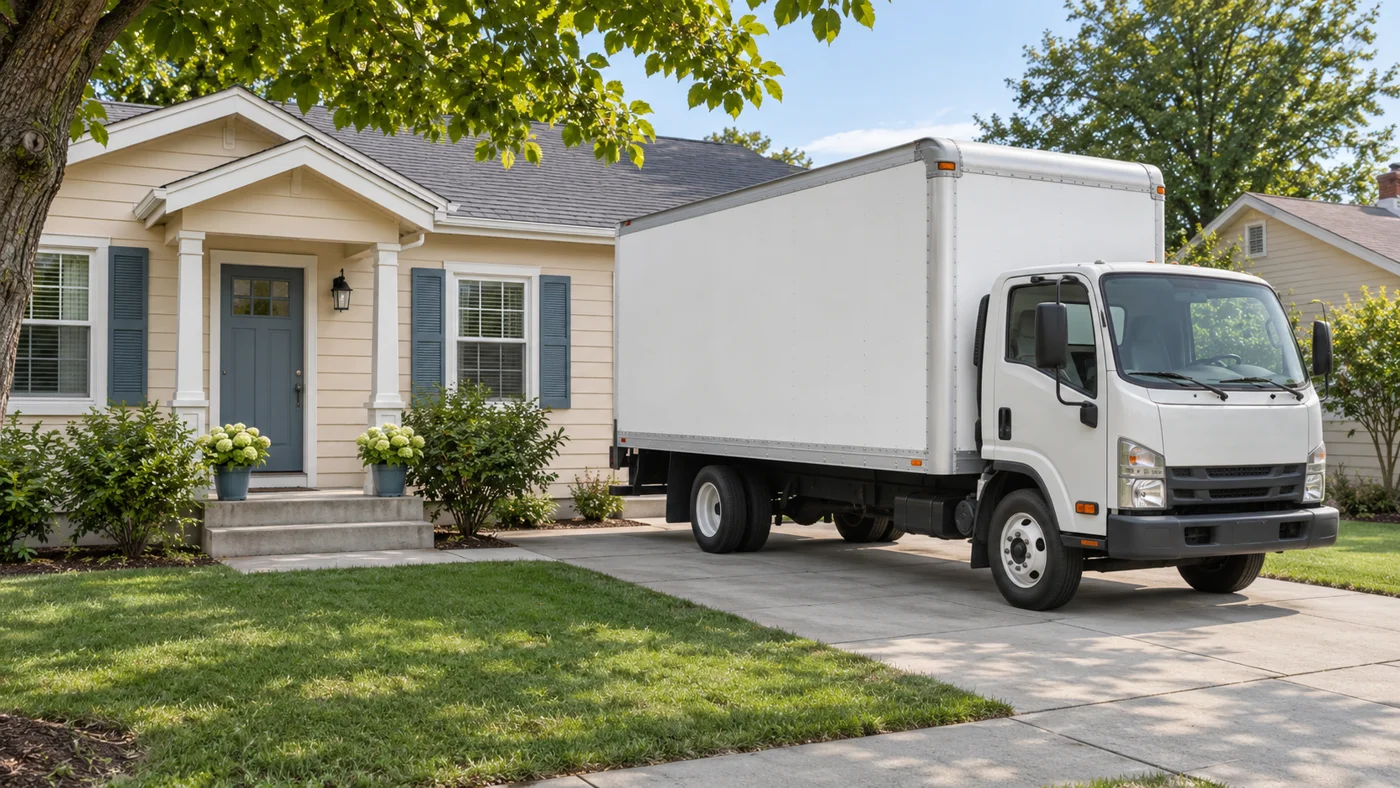
If a home is raised above ground level, show the mover the entrance and stairs from several angles. Record the number of steps and note narrow landings, turns, or low overhead features. Explain where the truck can stop and the distance between it and the stairs. Ask how large furniture will be handled and whether any item needs separate preparation. A raised entrance is manageable only when the equipment and crew match the actual route.
Clear the path before the crew arrives. Remove loose objects, garden hoses, and temporary decorations from the carrying area. Make sure railings and steps are in sound condition, and address property defects through the owner or a qualified professional. Do not rely on the moving crew to repair an unsafe route. If the planned entrance cannot be used, discuss an alternative before the truck is loaded rather than improvising after arrival.
At the destination, decide where large furniture will go before it is carried upstairs. Measure the room and leave space for doors to open. Mark pieces that should remain on the ground level or go to storage. Repeatedly carrying a heavy item between levels because placement was undecided adds work and handling. A simple room sketch with matching box labels gives the crew a clear destination for each part of the shipment.
Check urban loading and building rules
In New Orleans, Baton Rouge, Shreveport, and other developed areas, parking and building access can determine the sequence of a move. Ask the property manager which entrance the crew must use, whether an elevator reservation is needed, and what hours are permitted. Request any required documents from the mover early. Confirm that the manager has accepted them rather than assuming an email attachment completed the process.
Review the street or loading area with the mover. Share photographs of signs, parked vehicles, narrow entrances, and overhead obstructions. Check any local authorization requirements with the relevant authority. Do not assume that an empty curb is available for a commercial vehicle or that a neighbor will move a car on request. Ask who handles necessary permissions and what alternative is available if the preferred loading space cannot be used.
If access is shared, tell neighbors or building staff what they need to know through the appropriate channel. Keep entrances and emergency routes clear. Arrange for someone to control access when a door requires continuous access control. Protect floors and walls according to building instructions, using materials that do not create a tripping hazard. The moving schedule should allow these preparations instead of treating them as tasks to squeeze in after carrying begins.
Prepare for rain and changing conditions
Check the forecast for both addresses and the transportation route as the move approaches. Louisiana weather conditions vary, and a clear morning does not establish what the afternoon or delivery day will bring. Ask the mover how it responds to heavy rain, unsafe access, or transportation delays. Identify the contact who will communicate a change. Keep your own lodging and essential supplies flexible enough to respond to the agreed delivery window.
Protect the loading route from avoidable water exposure. Move packed cartons away from doors where rain may blow inside, and do not leave them directly on a wet surface. Ask the crew how it will protect upholstered furniture and manage wet equipment entering the home. Avoid using improvised coverings that become slippery underfoot. If water makes the route unsafe, pause and reassess rather than trying to finish quickly while conditions worsen.
For severe weather concerns, follow current official local guidance and the provider's safety decisions. Do not plan to drive through an unsafe area merely because a moving reservation exists. Keep important documents, medication, and basic personal supplies with you. Discuss what happens to the shipment if pickup or delivery must be postponed. Written contact details and a practical alternative help you make decisions without depending on a last minute search for information.
Keep moisture and temperature in mind
Pack only clean, dry household goods. Damp fabric or wet outdoor equipment should not be enclosed with other possessions. Allow enough preparation time for items that need cleaning and drying, and ask the mover about materials it will not accept. Use suitable packing supplies for the item rather than wrapping everything identically. A sealed covering that seems protective can create problems when moisture is already present inside it.
If you need storage, ask what conditions the facility actually provides. Terms such as climate controlled can describe different arrangements, so request a clear explanation of temperature and moisture management. Check access hours, loading areas, pest procedures, and the condition of the unit. Consider whether your possessions have specific manufacturer storage requirements. Compare the actual storage conditions with those needs and the expected duration before evaluating a promotional description or a low introductory amount.
Keep temperature sensitive essentials in a method of transport appropriate to their requirements. Ask a pharmacist or manufacturer when an item has specific handling instructions rather than guessing from a general moving guide. Do not leave necessary personal supplies in a parked car while supervising loading. Make a small checklist for items that must travel with you, and confirm their location before the moving truck leaves the property.
Pack the household in a useful order
Begin with items you rarely use, then work toward daily essentials. Keep the kitchen, bathroom, and sleeping needs functional for as long as practical. Label cartons by destination room and contents, using the same room names at both ends. Mark priority cartons so they can be located quickly after delivery. Avoid writing unnecessary details about valuables on the outside; keep that information in your private inventory.
Use smaller boxes for dense contents and larger boxes for lighter bulky items. Reinforce the bottom and prevent contents from moving inside the carton. Test the weight before filling another box the same way. A carton that is difficult for your helpers to lift safely needs a different packing plan. Do not assume that a box is suitable merely because it still has room inside or because tape can hold the flaps closed.
Prepare furniture parts and hardware carefully. Photograph connections before disassembly when that will help, and label the hardware bag with the furniture name. Keep it in a location agreed with the mover. Do not tape a small bag to a delicate surface where adhesive may cause damage. If professional assembly is included, make sure instructions and parts will be available when the crew needs them at delivery.
Coordinate children pets and personal travel
Choose a quiet place or separate care arrangement for children and pets during active loading. Open doors, unfamiliar people, and stacked cartons can make supervision harder. Confirm the arrangement before moving day and give the caregiver the necessary supplies. Keep travel bags separate from the shipment. A clearly marked area reduces the chance that a child’s comfort item or a pet's essentials will be loaded before you notice.
Plan the household's route and breaks independently of the truck's route. The mover may use a different schedule or vehicle restrictions may affect its journey. Keep the delivery contact informed about when you can receive the shipment, but avoid promising arrival based on an unrealistically tight personal travel plan. If you need someone else to accept delivery, ask the mover what authorization and documentation are required and prepare them in advance.
On arrival, establish the rooms needed for immediate routines. Check the bathroom, sleeping area, and a small food preparation space before unpacking decorative or seasonal belongings. Keep a supply of water and basic cleaning materials accessible. Identify any property problem and report it through the appropriate owner or manager channel. Moving furniture into a room with an unresolved leak or access problem can create unnecessary work later.
Document pickup delivery and concerns
Review the shipment with the crew lead before loading starts. Identify excluded items, fragile possessions, and any changes since the estimate. Confirm the carrying route and the person authorized to answer questions. Keep your paperwork, valuables, and essential bags away from the loading area. Before leaving the old property, inspect closets, cabinets, outside storage, and utility spaces so overlooked items do not become a separate retrieval trip.
At delivery, account for the shipment using the inventory. Photograph visible damage with enough context to identify the item and location, then take closer views of the concern. Record what you can observe without guessing when or how it happened. Ask the mover about the reporting process and retain the documents and packing materials relevant to the issue. A clear description helps distinguish a specific claim from a general complaint about the move.
Review the final bill and keep a record of approved changes. If a charge is unfamiliar, request an explanation tied to the service performed. Keep billing questions organized separately from damage questions. Communicate unresolved issues in writing with dates and supporting records. Save copies of your messages and responses. This provides a reliable history if the matter takes more than one conversation to resolve.
Use a practical final review
After the main rooms are working, compare the remaining cartons with your inventory and unpacking plan. Check whether anything is still in temporary storage, with a helper, or in your own vehicle. Update the record as items are located. Do not let unopened boxes block pathways while you decide where everything belongs. Create one staging area and work through it in manageable sessions rather than moving the same cartons repeatedly between rooms.
Check the reservations and services connected with the move. Confirm that rented equipment was returned, temporary storage arrangements are correct, and utility changes reflect your actual possession dates. Keep receipts and final confirmations together. If a delivery appointment or installation remains outstanding, assign it a date and contact person. These administrative tasks are easier to finish while the details are fresh than after ordinary routines have resumed.
A Louisiana move becomes more manageable when the plan addresses the home, the handling route, and the conditions during the transition. Choose a provider by its verified identity and written scope, prepare possessions for the service you purchased, and keep a usable record. The goal is to make each decision early enough that you still have choices about equipment, timing, and household arrangements.
Work through a gap between addresses
Consider a household leaving a Baton Rouge rental before its next Louisiana home is ready. The family has a departure date but an expected possession date. It should tell the mover about that uncertainty before choosing direct delivery. Ask for the alternatives in writing, including where the shipment would be stored, how access works, and how a later delivery would be scheduled. Temporary accommodation for the family does not automatically solve storage for the furniture.
The household can then divide its possessions into a shipment and a temporary living kit. Clothing, work equipment, documents, medication, and child or pet supplies need to remain accessible. A box marked first night may not be enough for a longer gap. Pack for the period the household could realistically spend without delivery, and identify which items would be difficult to replace quickly. Keep those choices in the personal travel plan rather than relying on access to a stored shipment.
Before moving into storage, the family should understand how its goods will be identified and what records it will receive. Ask whether there are separate handling or delivery charges and whether the storage agreement differs from the transportation agreement. Confirm who must request release of the shipment and how much scheduling flexibility is available. These details help the household budget for the transition instead of discovering that the storage amount was only one component.
When possession is confirmed, revisit the destination access plan. A closing date can be settled while driveway repairs, utility appointments, or building permissions remain unfinished. Send updated photographs or instructions if anything has changed. Confirm that the home can receive the shipment and that an authorized person will be there. A release decision should connect the property readiness, household arrival, and mover's delivery availability.
Use this example to test your own plan even when you expect no gap. Identify the event that would force a change, the provider you would contact, and the information needed to choose an alternative. Keep those details with your moving documents. Contingency planning does not require reserving every possible service in advance. It requires knowing which decisions would become urgent and what choices are available if the original timetable changes. Review the plan whenever a major date shifts, and tell the people whose work depends on that date before they commit staff, vehicles, or access arrangements for you.