
Decide which pieces belong in the move
Start with a room by room furniture list and the layout of the destination. Identify pieces you use, items that need repair, and furniture that may not fit the new space. A decision made before packing can prevent unnecessary handling and expense. Do not assume every piece should travel simply because it has occupied the same room for years. Record the decision and tell anyone responsible for packing or transporting it.
Consider usefulness, condition, dimensions, and the work required to move each item. A large piece may be worth keeping, while a smaller one may no longer serve a purpose. If you decide to sell, donate, or dispose of something, arrange the appropriate transfer and confirm acceptance. Keep it distinct from the shipment until the task is actually complete.
Tell the moving provider when the inventory changes. Removing a piece does not automatically create a specific price reduction under every agreement, so ask whether the revised scope affects the estimate. Likewise, disclose furniture purchased before the move that will enter the shipment. The final list should describe the belongings the crew will actually encounter on loading day.
Measure the item and its complete route
Record the dimensions of large pieces, including fixed arms, legs, trim, or other projections. Then examine the route from the current room to the loading area and from the destination entrance to the intended room. Include doors, turns, stairs, landings, and elevator openings. A piece may pass one doorway while being unable to turn through the space immediately beyond it.
Photograph difficult points and send measurements to the mover before booking or finalizing the handling plan. Ask whether further assessment is needed. Do not promise that a piece will fit because it entered the home years ago; the item, route, or building arrangement may have changed. The provider needs current information to choose an appropriate method and equipment.
If the route is unsuitable, discuss alternatives early. A different room, approved disassembly, specialist handling, or a decision to leave the item may be appropriate. Avoid counting on an improvised window lift or removal of building components. Those actions require their own expertise, permissions, and planning, and should never appear as an assumed solution when the truck arrives.
For a hypothetical sofa, the narrowest doorway may appear wide enough while a nearby wall prevents the necessary turn. A measurement sheet should capture that surrounding space rather than reporting only the opening. Send photographs with the dimensions and ask the mover whether it needs an onsite assessment. The household's role is to supply accurate information, while the provider determines whether its method and equipment can handle the piece under those conditions.
Record condition before preparation
Photograph significant furniture from enough angles to identify it and show existing marks. Capture scratches, loose joints, chipped edges, damaged upholstery, or missing hardware accurately. Keep the images with the inventory. A clear condition record supports discussion with the provider and helps distinguish an existing issue from a concern discovered after delivery.
Tell the mover about structural weakness or a prior repair that may not be obvious. A cabinet can look intact while a joint or panel needs special consideration. Do not conceal the issue in hopes that ordinary wrapping will make it irrelevant. The person planning the handling method needs that information to assess whether the item is suitable for the proposed service.
Avoid rushing an unfamiliar repair immediately before moving. Adhesive, finish, or structural work can require appropriate expertise and time. Ask a suitable professional when necessary. The preparation plan should identify the current condition and a safe method for the move, while any repair decision remains a separate task with clear instructions and responsibility.
Agree on disassembly before anyone starts
Ask the moving company which furniture it will disassemble and reassemble under the agreement. Identify exclusions and any preparation the household must complete. A broad promise to move furniture does not explain every assembly task. Keep the accepted scope in writing so both the packing household and the crew know what should be ready at pickup.
Follow the manufacturer's guidance for items you prepare yourself. Remove only parts intended to be removed through the appropriate procedure. If the construction is unfamiliar, fasteners resist, or the piece is already weak, obtain suitable help. Taking something apart can create damage or make reassembly difficult when the original design was never intended for repeated dismantling.
Coordinate the timing with ordinary household use. A bed or desk may need to remain functional until late in the preparation period. Assign a realistic time for its final use and disassembly. Do not leave the crew expecting a prepared item when the household still needs to empty or dismantle it. The schedule should account for the actual work and people available.
Keep the disassembly plan visible to everyone helping pack. If the mover expects a shelving unit left assembled for its own crew, another helper should not begin removing parts independently. If the household must prepare it, assign a person and deadline. This avoids two opposite problems: duplicated work on the same item and a piece that remains untouched because each party believed the other had accepted responsibility for it.
Empty and organize contents deliberately
Ask the mover how it wants drawers, shelves, and internal contents handled for each piece. Requirements can differ with the furniture and method. Do not assume every drawer may remain full or every removable component should stay in place. Record the instructions and tell household helpers so one person does not refill a drawer another has emptied for transport.
Pack contents in suitable containers with destination labels. Keep dense loads manageable and protect fragile objects individually. Use a private contents list for important items. A furniture piece should not become an undocumented container for belongings the provider does not know it is carrying. Clear packing also makes it easier to locate essentials before the furniture has been placed and reassembled.
Check hidden compartments, undersides, and spaces behind drawers where appropriate. Remove personal records and valuables from the shipment according to your plan. Keep keys for cabinets or other furniture associated securely with the item record. A small forgotten object can be difficult to retrieve once the piece is wrapped, loaded, or stored behind other belongings.
Keep hardware connected to the right piece
Use a clear identifier for each piece and its removable parts. Label hardware containers with the same reference and retain the manufacturer's instructions. Photograph the original arrangement where useful. Several beds or shelving units may use similar looking fasteners, so a bag marked screws is less helpful than one connected to a specific inventory item.
Keep approved removable components protected and organized without attaching them in a way that damages surfaces. Ask the mover how it wants hardware transported when it performs reassembly. Avoid leaving small parts loose inside wrapping where they can be mistaken for waste. The person receiving the furniture should know where the components are and which record explains them.
Record who is responsible for hardware at each stage. If a specialist dismantles a piece and a different company transports it, clarify the handoff. A complete furniture shipment includes the parts needed for agreed reassembly, even when those parts occupy only a small container. Keep the inventory useful enough to notice their absence before the room is filled with unrelated unpacked belongings.
Count labeled hardware groups against the furniture list before loading. If one piece has several bags or a long separate rail, record all components under its identifier. Keep a copy with the receiving person. This check is especially useful when furniture from several rooms is staged together and similar parts are no longer beside their original pieces. A complete list reduces guesswork during reassembly and helps identify a missing component promptly.
Choose protection for the surfaces and shape
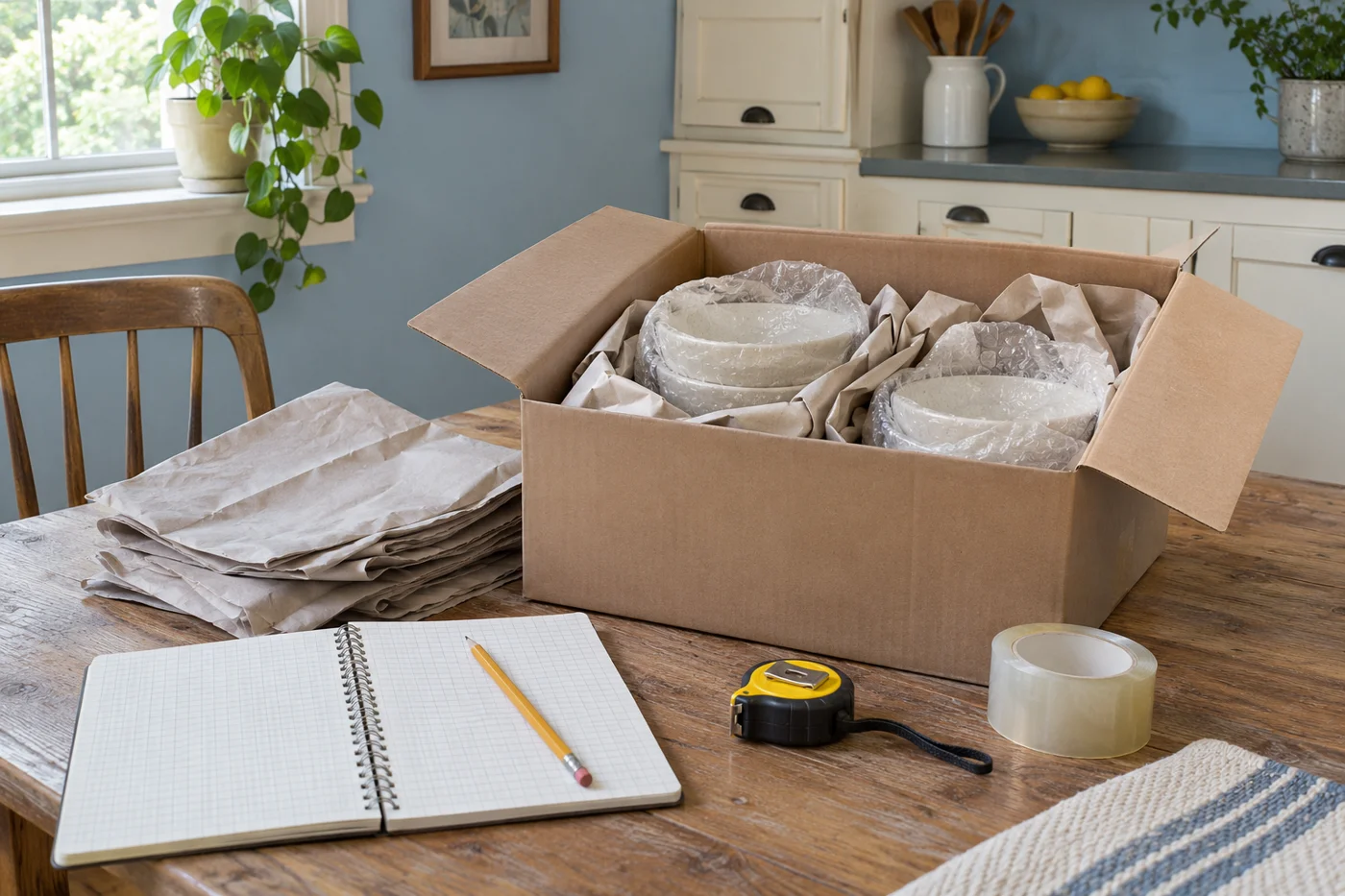
Discuss protective materials with the moving provider, especially for delicate finishes, glass, stone, or unusual upholstery. The method should suit the actual piece and its condition. Avoid applying tape, adhesive, or unfamiliar coverings directly to a surface without appropriate guidance. A material that works on one item may leave marks or create pressure on another.
Make sure ordinary furniture is clean and dry before it is enclosed, using preparation suitable for its material. Do not introduce an unfamiliar cleaning treatment immediately before transport. If the item has moisture, pest, or other condition concerns, resolve the appropriate handling plan before combining it with clean household goods. Wrapping should not conceal a problem that needs separate attention.
Protect vulnerable projections and removable components under the agreed method. A wrapped object still needs appropriate handling and support. Do not assume a soft covering makes a fragile joint strong or allows heavy items to be stacked against it. Ask the provider how the package will be carried and arranged so the protection corresponds to the actual movement expected.
Separate specialty furniture from ordinary handling
Pianos, large safes, delicate antiques, heavy stone pieces, and other unusual items may require specialist assessment. Describe dimensions, documented weight where available, condition, and access during the survey. Ask whether the company accepts the item and what method it proposes. A general household estimate should not leave a difficult piece hidden behind a broad furniture category.
If a separate specialist is needed, coordinate its appointment with packing and transportation. Confirm which company prepares, carries, transports, and reinstalls the item. Keep agreements and contacts together. A specialist visit that happens after the moving crew arrives may leave the shipment incomplete, while duplicated preparation can waste effort or create conflicting instructions.
For furniture with powered mechanisms or other equipment, follow the manufacturer's transport guidance and use qualified service where necessary. Do not disconnect unfamiliar electrical or mechanical parts to make the item easier to move. The provider should understand the item before loading, including any limitation that affects ordinary handling or use at the destination.
Prepare the building and loading route
Clear the agreed path before moving day. Remove loose belongings, rugs or other obstacles as appropriate to the property, and keep entrances usable. Discuss floor and wall protection with the mover and building contact. Avoid improvised coverings that slide underfoot or conceal a hazard. People carrying heavy pieces need a route that remains predictable throughout the work.
Confirm parking, elevator reservations, and building requirements in advance. Send current instructions to the mover and verify that its arrival window fits. If the loading position changes, explain how the carrying route changes too. The crew should not discover an additional stairway or long corridor after its equipment and schedule have been planned around a different entrance.
Keep children and pets away from the working route and assign supervision separately. Give the crew a reachable household decision maker. Other helpers can finish errands or cleaning without issuing conflicting instructions about the same piece. A clear division of responsibility supports orderly handling when a large item requires attention or a placement decision changes.
Check the route again after most packing is complete. Boxes that were harmless during preparation may now occupy the space needed to turn a long item. Move them to an agreed staging area without creating an unstable stack elsewhere. Tell the crew about any obstacle that cannot be removed. A final access review should reflect the home as it is on loading day, including the packed belongings waiting to leave.
Give the destination a placement plan
Measure the destination rooms and decide where large furniture will go. Include door swings, fixed features, and practical walking space. A piece that fits physically may still prevent the room from functioning if placed poorly. Use a simple sketch and room labels that match the inventory. Share the plan with the receiving person if you cannot attend delivery.
Choose alternatives for pieces whose placement is uncertain. This prevents the crew from waiting with a heavy object while the household debates several layouts. Confirm any item that belongs in storage or another location instead of the main room. The placement plan should reflect the household's decisions rather than asking the movers to infer how you intend to use the space.
Identify which furniture needs agreed reassembly and where its hardware is located. Keep necessary instructions accessible. Avoid filling drawers and shelves before checking the piece's final position and stability. Moving a loaded cabinet again can create more work than settling its placement while it is empty and the relevant helpers are still available.
Check delivery and reassembly records
At arrival, compare furniture with the inventory and record visible concerns accurately. Use the earlier photographs where helpful. Read delivery paperwork before signing and retain copies. Ask how to report an issue discovered after wrapping is removed or an item is assembled. Do not describe a complete inspection when you have not had an opportunity to examine the piece.
Check that agreed components and hardware are present before discarding packaging. If something is missing or damaged, preserve relevant material and photograph the concern. Keep communications factual and identify the piece by its inventory reference. Check the applicable reporting requirements directly. A clear record is more useful than an account reconstructed after the room is full and the packaging is gone.
Review reassembly work that the provider agreed to complete. Do not use a visibly unstable item or improvise a missing fastener to finish quickly. Ask the responsible provider or an appropriate professional how to resolve the issue. Keep that next action on the household task list until the furniture is suitable for its intended use.
Finish setup according to the item instructions
Follow manufacturer guidance for final assembly, placement, and anchoring where applicable. Use appropriate help for tasks outside your knowledge. The move is not complete for a piece that has arrived but still requires a safety related setup step. Keep children and other household members away from furniture awaiting suitable installation or correction.
Unpack contents into the furniture only after the piece is ready. Review how the storage will be used and avoid overloading shelves or drawers beyond appropriate guidance. Keep frequently needed belongings accessible. The new layout is an opportunity to choose practical locations instead of reproducing every old storage habit simply because the contents arrived in the same boxes.
Retain useful measurements, instructions, and condition records. Remove personal information from discarded labels and store remaining hardware appropriately. Review furniture still awaiting a location or repair, assigning each a clear next action. A completed move leaves the household with usable rooms and identifiable obligations, rather than a collection of partly assembled pieces whose remaining work has no owner.
Keep the first room setup modest until the largest pieces are settled. Decorative items and loosely placed boxes can make a simple furniture adjustment harder. Finish the essential placement and installation tasks, then bring the smaller belongings into the room. This sequence helps the household use the labor and space available efficiently while leaving time to identify a fit or assembly problem before everything is filled and arranged around it.