
Explain the decision and what is still open
Tell teenagers what is known about the move, why it is happening, and which decisions remain open. Use clear information rather than a promise that every part will be better. A move may affect friends, school routines, activities, privacy, and independence. Give them room to describe what matters to them. You do not need to solve every concern in one conversation. Begin with the facts and keep the distinction between confirmed plans and possibilities visible.
Be specific about what they can influence. They may be able to help choose a room layout, decide which belongings to take, or plan ways to stay in contact with friends. They may not control the move itself or the family's budget. Avoid presenting a fixed decision as a choice and then withdrawing it when they answer differently from what you hoped. Clear boundaries make participation more useful because everyone understands where a decision can actually change.
Keep updates regular and proportionate. A brief conversation when dates or school arrangements change can be more useful than repeatedly asking how they feel about the entire move. Let them choose a comfortable way to raise questions, including a private conversation or written list. The aim is an honest family plan. It should allow disagreement without turning every practical task into a test of whether the teenager approves of the decision.
Identify the routines the move will affect
Ask the teenager to walk through an ordinary week. Include school, transport, work, activities, study time, friendships, appointments, and time alone. Write down which routines will continue, which need a new arrangement, and which remain uncertain. This turns a broad concern about losing everything familiar into specific questions the household can investigate. Some answers may take time, but they can still have a responsible person and a next step.
Confirm school requirements directly with the relevant school or district. Ask about records, enrollment, schedules, and any transfer process that applies. Do not assume a calendar or requirement from the current school applies at the destination. Keep the teenager informed about what has been requested and what is confirmed. Where appropriate, involve them in preparing questions so the conversation covers the subjects and activities important to their daily experience.
Check transport and access separately. A new activity may exist but be impractical without a way to reach it. Discuss who can provide transport, what independent travel is appropriate, and what the household can afford. Avoid promising participation before those details are known. A realistic arrangement is more useful than an encouraging suggestion that later proves unavailable because of distance, timing, or another family member's schedule.
Give packing responsibilities a clear shape
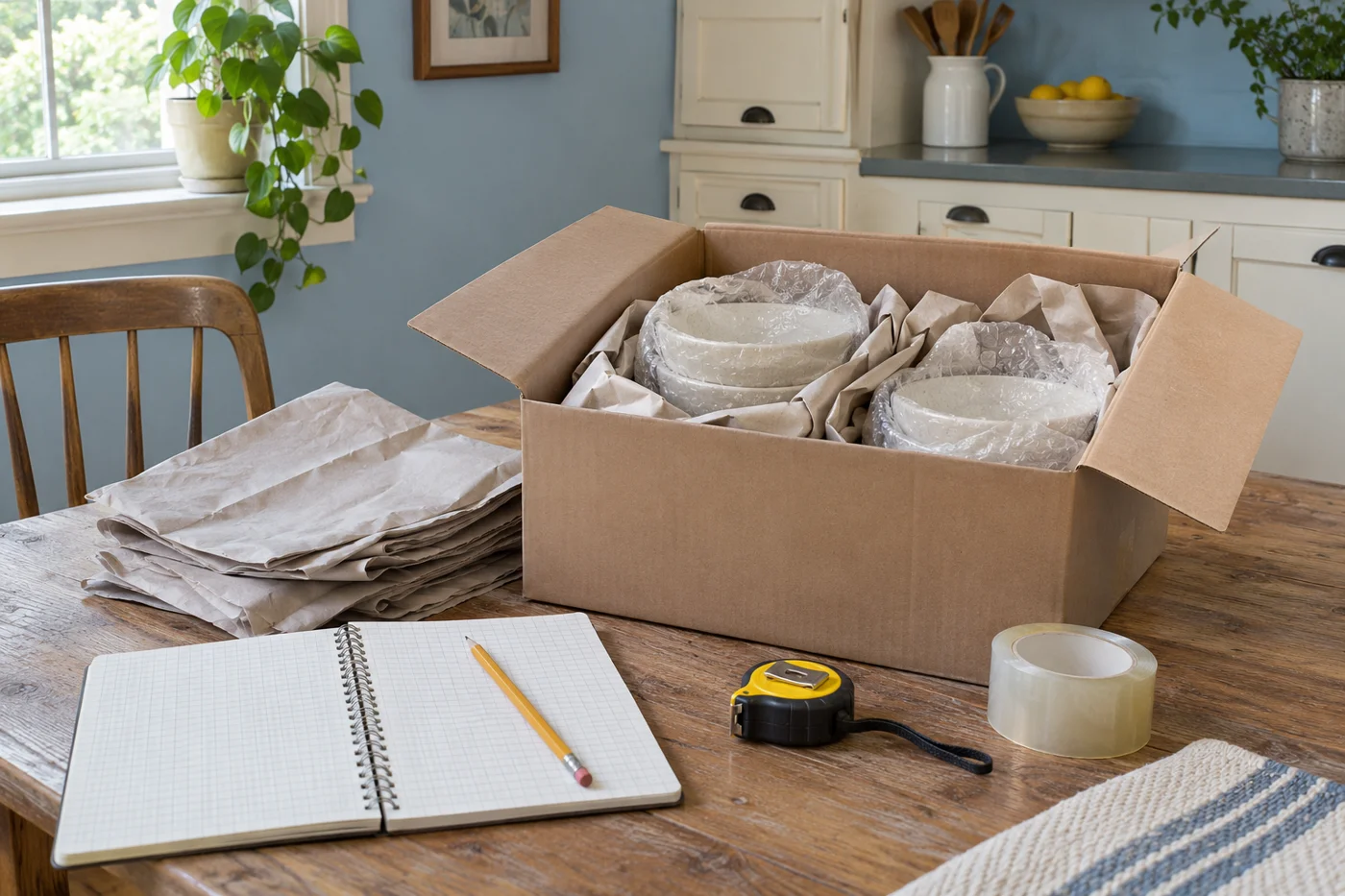
Agree on a manageable set of packing tasks and dates. A teenager may handle clothing, books, personal decorations, or other belongings, depending on their ability and the moving plan. Explain the labeling system and show how boxes should be packed safely. Do not assume they know which materials protect fragile items or how heavy a carton can become. Provide the supplies and guidance needed, then give reasonable independence within the agreed task.
Separate sorting from disposal. Ask before discarding personal belongings, including items that appear unimportant to someone else. A worn object may have meaning that is not obvious. Set practical limits on space and volume openly, and discuss options for sale, donation, storage, or keeping items. Avoid using the move as an excuse to remove possessions secretly. A clear decision process protects trust and helps the teenager take responsibility for what they choose to bring.
Check progress at agreed times rather than interrupting constantly. If packing falls behind, identify the obstacle. The task may be too broad, supplies may be missing, or school commitments may be consuming the available time. Break the work into specific actions, such as packing one shelf or sorting one drawer. Keep heavy lifting and specialist handling with suitable adults or professionals. Participation should be useful without assigning work beyond the teenager's ability or making them responsible for the family's entire schedule.
Protect privacy during the move
Discuss how personal documents, devices, journals, and other private belongings will be handled. Keep sensitive items out of shared packing piles and use broad exterior labels. A family inventory does not need to expose private contents to helpers. Agree on which containers the teenager will pack and how any necessary adult oversight will work. Clear expectations are better than surprising them with a search or opening a personal box in front of other people.
Follow appropriate device and account practices during travel. Keep passwords and recovery information out of moving worksheets or labels. If school equipment belongs to an organization, follow its instructions for return or transport. Help the teenager distinguish personal property from borrowed items and confirm any required process directly with the school. Do not assume a school device can move with the household without checking the applicable arrangement.
Plan privacy at the destination too. Temporary accommodation or a partly unpacked home may make personal space difficult. Discuss realistic ways to provide quiet time and a place for belongings. Avoid promising a private room when the housing arrangement does not allow one. Even a small agreed area and clear household expectations can make the transition more manageable. The important point is to recognize the need and explain how the family will address it within its actual constraints.
Make room for goodbyes
Ask what kind of goodbye the teenager wants. Some may prefer a small meeting with close friends, while others may want to attend a final activity or avoid a large event. Work within the available time and budget. Do not turn the occasion into a requirement to appear cheerful about leaving. A practical plan can acknowledge the importance of existing relationships without promising that distance will change nothing.
Coordinate farewell plans before the final packing days when possible. Confirm transport, supervision, and timing according to the family's usual arrangements. Keep the moving schedule clear so a promised meeting is not canceled casually because packing was left too late. If a plan cannot happen, explain the reason directly and discuss another option. The goal is to preserve a meaningful opportunity, rather than create another elaborate event the household cannot realistically support.
Discuss ways to stay in contact after the move. Let the teenager take part in choosing what is practical for their friendships and circumstances. Time differences, school schedules, travel costs, and family rules may affect plans. Avoid guaranteeing frequent visits before the arrangements are known. A modest, workable plan is more useful than a promise that becomes another disappointment. Relationships can be important without being managed entirely by the parent.
Pack a personal travel and arrival kit
Ask the teenager what they need during the journey and the first days. Include clothing, toiletries, chargers, school or work essentials, and a few familiar belongings. Keep necessary medication under the household's appropriate care arrangements and storage instructions. The kit should remain accessible if the shipment is delayed. A favorite hoodie or a required school item is less useful when it is buried inside the moving truck despite being marked important.
Keep travel bags clearly separate from the shipment. Tell the crew which area is excluded and check it before loading ends. Give the teenager responsibility for an appropriate part of the kit, while making sure essential documents and household requirements are covered. Do not make them responsible for items that adults must manage. The division should be clear enough that nobody assumes another person has packed a necessary charger, identification document, or medication supply.
Plan entertainment and quiet time for a long journey without assuming constant conversation is needed. Agree on stops, device use, and practical expectations before departure. Consider the comfort of everyone traveling in the vehicle. A move can involve long periods of waiting, and a teenager may want space to message friends or listen privately. The travel plan should allow ordinary preferences while keeping safety and the household schedule clear.
Give moving day an appropriate role
Tell the teenager what will happen on moving day and which tasks belong to them. They might check their room, keep their travel kit together, help label destination rooms, or care for an appropriate household task under adult supervision. Avoid assigning them to direct the crew or approve changes unless that responsibility is suitable and explicitly arranged. The main moving contact should remain clear to the provider.
Keep teenagers away from unsafe carrying routes and equipment work just as you would other bystanders. Willingness to help does not establish that a heavy lift is appropriate. Provide useful alternatives when professional movers are handling furniture. If younger children or pets need supervision, assign that responsibility deliberately and realistically. Do not assume an older child can simultaneously manage their own packing, supervise others, and remain available for every adult request.
Let them complete a final room check before departure. Look in drawers, shelves, closets, and places where small personal items may remain. Allow a brief goodbye to the space if they want it, while keeping the agreed schedule. Avoid rushing this moment unnecessarily after weeks of preparation. Confirm that personal essentials are with the household and that any important belongings intentionally left behind have an agreed reason and destination.
Prepare the new room for daily use
Prioritize a usable sleeping space, accessible clothing, and any necessary study area. Let the teenager help choose the layout within practical limits. Measure furniture and keep safe access clear. Decorative decisions can wait until the room's basic functions work. If the family is in temporary accommodation, explain what can be arranged now and what must wait. A modest functional setup is more useful than promising a complete room transformation immediately after delivery.
Keep familiar belongings available where they can be used. Ask which items matter most rather than assuming the parent knows. Avoid opening every personal carton without agreement simply to finish unpacking quickly. Use the same labeling and privacy expectations established before the move. If the room must serve another temporary purpose, discuss that arrangement clearly, including how long it is expected to last and what space remains available for the teenager.
Check practical needs for the first school or workday. Locate clothing, bags, supplies, and transport information. Confirm the schedule directly rather than relying on an old assumption. The teenager may be more concerned about a small daily detail than the larger room layout. Asking what they need for tomorrow can produce a clearer next task than asking whether they are happy with the whole move.
Explore the new routine without forcing enthusiasm
Offer opportunities to learn the area and its practical features. Start with places relevant to daily life, such as the route to school, a library, a shop, or an activity the teenager has chosen. Confirm current access and arrangements directly. Avoid treating every outing as proof that the new place is better. The purpose is familiarity and useful information, while allowing the teenager to have their own reaction.
Discuss activities as options rather than an immediate solution to every concern. Ask what they want to continue or try, and check availability, timing, costs, and transport. A new commitment may be welcome, but it can also add pressure during an already busy transition. Give the household room to settle essential routines before filling every afternoon. Keep existing interests visible even if the destination offers them in a different form.
Make time for ordinary family life that does not revolve around the move. Meals, familiar leisure activities, and predictable expectations can provide continuity. Let the teenager spend time alone or with friends within the family's usual boundaries. Avoid repeatedly asking for a positive verdict on the new home. Practical support and honest conversation are more useful than requiring gratitude for changes they did not choose.
Review the transition together
After the first days, ask which practical arrangements are working and which need adjustment. Discuss transport, study space, activities, and contact with friends. Keep the questions specific and listen before proposing solutions. Some problems can be addressed with a schedule change or a missing supply. Others may need more time or a conversation with the relevant school contact. Do not promise an outcome you cannot control.
Keep an open route for the teenager to raise concerns privately. If they ask for additional support, discuss appropriate trusted people or services available through the family, school, or existing care arrangements. Avoid turning ordinary disagreement into a diagnosis or assuming every difficulty is caused by the move. The parent can acknowledge uncertainty while remaining available. A clear, respectful relationship matters more than completing a fixed emotional timetable.
Finish the remaining administrative and unpacking tasks without making the teenager carry the burden of the whole transition. Review what they agreed to do and provide help where needed. Recognize completed work in concrete terms, such as organizing the study area or keeping track of school materials. The move is a family project, and useful participation should leave the teenager with some control over their own routines and belongings while adults remain responsible for the larger decisions.
Turn a concern into a practical plan
Imagine a teenager who is worried about losing time with friends and being unprepared for a new school. The family cannot promise that the transition will be easy, but it can separate the concerns into actions. It can confirm school arrangements directly, identify the information still missing, and reserve a realistic opportunity to see friends before departure. The teenager can help prepare questions and choose which personal belongings should remain accessible during the first days. Each action has a clear purpose without requiring them to pretend the larger concern has disappeared.
For packing, the family might agree that the teenager will sort clothing and books while an adult obtains supplies and handles fragile equipment. They can set a short review time to check progress and decide what help is needed. If an exam or activity conflicts with the plan, revise the tasks rather than assuming the delay reflects indifference. A specific agreement makes it easier to distinguish an unfinished job from a broader disagreement about moving.
At the destination, the family can focus on the next day's needs. The teenager may want to locate school supplies and choose a desk position before arranging decorative items. Another teenager may first want a quiet sleeping area and time to contact friends. Ask rather than assume. Keep practical limits clear, including budget, shared space, and installation requirements. The useful choice is one the household can actually honor, with an explanation of anything that remains uncertain.
Review the plan after the first week and change what is not working. A transport arrangement may take longer than expected, or a study area may need better placement. Let the teenager describe the problem in their own terms. Agree on the next action and who will handle it. Participation can address practical decisions while leaving room for feelings that need time and attention.