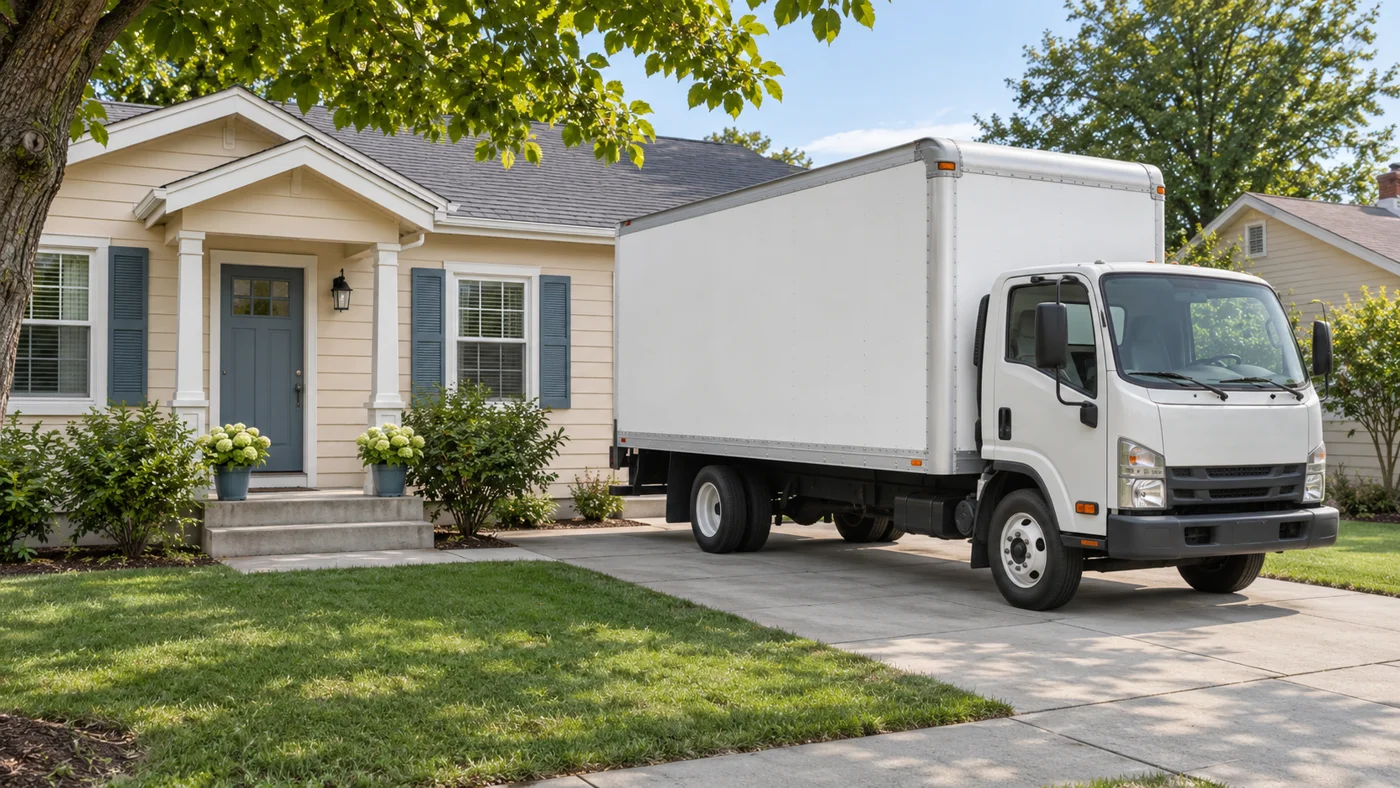
Define the work you will manage
A do it yourself move puts the household in charge of coordinating the job. Start by listing packing, furniture preparation, loading, driving, unloading, setup, and equipment return. Decide which tasks you will perform and which need hired help. You can manage the overall move while paying specialists for selected work. The useful distinction is responsibility: every task needs a capable person, suitable equipment, and enough time. A vehicle reservation alone does not create a complete moving plan.
Record the addresses, dates, major inventory, and access conditions before choosing transport. Include stairs, elevators, parking, long carrying routes, and any additional stop. Confirm when you must leave and when you can enter the destination. If those dates do not align, plan accommodation and storage separately. Keep uncertainties visible so you can resolve them before committing to a vehicle or labor appointment. A practical plan is based on the move you can actually complete, rather than the most convenient version you hope will happen.
Assess time, ability, and reliable help
Consider each task separately. Packing ordinary cartons may fit your evenings, while handling a large appliance or operating a rental truck may require experience you do not have. Ask helpers about their availability and abilities instead of assuming a general offer covers the whole day. Difficult furniture can need professional handling even when several friends are willing to assist. Identify those pieces during planning and obtain suitable help before the moving date, when availability and scheduling are easier to discuss.
Estimate the time for preparation as well as carrying. Sorting, obtaining materials, labeling, disassembly, cleaning, and returning equipment all consume time. Build a schedule that includes rest and ordinary interruptions. Avoid assigning a long demanding drive immediately after a day of heavy work without considering fatigue. If the work exceeds the time or people available, change the scope or arrangement. A successful self managed move depends on honest decisions about capacity, rather than trying to prove that the household can do every task without assistance.
Use a small practical trial when estimating preparation time. Pack one cupboard completely, including wrapping, closure, labeling, and cleanup. Notice the materials used and the time required. The result will not predict every room, but it reveals work that a quick visual estimate misses. Repeat with a different type of content if necessary. Then compare the remaining tasks with the evenings and days actually available. If the calendar is already full, adjust the plan before reserving help around an unrealistic completion date. A realistic assessment gives you choices while providers and helpers still have time to respond. It also prevents the loading day from starting with a large amount of unfinished preparation that everyone assumed was already complete.
Build a complete cost comparison
List the vehicle or container, packing materials, equipment, fuel, travel, lodging, hired labor, and any access or storage costs. Use actual quotes and the provider's terms where possible. Mark remaining amounts as estimates. A base rental price does not describe the whole cost of moving yourself. Compare the complete plan with any professional service you are considering, including the tasks you would otherwise perform. Keep optional conveniences separate so you can decide whether they fit the budget.
Record payment dates and deposits. A refundable deposit affects available cash differently from a permanent expense, while a payment toward a total should not be counted twice. Read cancellation, change, and extension terms before booking. If the housing date shifts, those terms can affect the practical cost. Keep a reserve appropriate to unresolved questions, but investigate known uncertainties instead of using a reserve to avoid asking about them. Update the budget when the inventory, route, or level of hired assistance changes.
Inventory and reduce the shipment
Walk through all rooms and storage spaces. List large pieces, likely carton groups, outdoor belongings, and items needing special preparation. Decide what will move and what has another destination. Measure furniture against the new space and the route into it. Confirm sales, donations, and collections before removing those items from the shipment plan. An object still in the home on moving day needs a destination even if you expected someone else to take it.
Keep undecided items visible and resolve them early. A smaller load can make the move easier, but only if the reduction actually happens before the equipment is chosen and the day scheduled. Photograph unusual pieces and note preparation requirements. Ask the transport provider about restrictions for uncertain contents such as fuels, chemicals, or some batteries. Do not conceal those materials in ordinary cartons. The inventory should support both equipment selection and a clear record of what is expected to arrive.
Select the vehicle from actual requirements
Discuss the inventory with the rental or transport provider and check the specifications of the equipment offered. Interior dimensions, door clearance, payload, and access equipment all matter. A volume comparison can help screen an option, but furniture shapes and safe loading reduce the usefulness of a simple rectangular space calculation. Use the site's truck space tool as a planning check with the actual vehicle's published dimensions. It does not confirm payload, handling suitability, or that every piece will fit through the opening.
Check whether the vehicle can reach both properties and where it can stop legally and practically. Tell the provider about narrow approaches, slopes, or other concerns. Understand the rental agreement, authorized drivers, pickup and return locations, and assistance procedure. Ask staff to explain controls or equipment you do not understand. If the vehicle supplied differs from the plan, reassess suitability before accepting it and loading. A substitution can affect access, capacity, driving, and the schedule, so it deserves an actual review.
For a hypothetical move between two apartments, a larger vehicle may reduce the need for another trip but create a more difficult parking or access arrangement. Compare both effects rather than assuming the largest available option is automatically the easiest. Discuss the actual properties with the provider and check the relevant specifications. If the route requires a tight loading area, explain that constraint before pickup. A vehicle choice should fit the shipment, access, and driver. Keep any uncertainty visible until it is resolved. This makes the decision a practical comparison of available equipment rather than a guess based only on the number of bedrooms or the apparent size of the cargo box.
Arrange equipment and specialist help
Identify the handling equipment required for the actual items and routes. Ask hired labor providers what they bring and what you must supply. Check the instructions and suitability of rented equipment, including relevant capacity information. Do not assume a tool makes an unfamiliar heavy lift manageable without appropriate knowledge. Large, fragile, or unusually shaped pieces may need specialists. A household can still manage the move while reserving those tasks for people equipped and experienced to perform them.
Confirm who provides protective pads, securing equipment, and packing materials. In a hybrid arrangement, the rental company and labor crew may each assume you supply certain items. Put responsibilities in writing and check them before pickup. Arrange professional preparation for equipment or appliances where required. Avoid improvising electrical, gas, or mechanical work merely because the moving date is close. The equipment plan should support tasks you understand and are prepared to perform, with a clear alternative for work that falls outside that scope.

Pack so the load can be handled
Use sound containers appropriate to the contents. Put dense items in manageable cartons and protect fragile objects with suitable materials. Close boxes properly without forcing them around an excessive load. Label destinations clearly and keep a private inventory for important details. Ask the transport provider about packing requirements and restricted contents before sealing uncertain items. A carton that looks finished may still be unsuitable for the service or difficult to carry safely through the actual route.
Keep furniture hardware and accessories linked to the correct item. Follow manufacturer instructions for approved disassembly and avoid taking apart a piece whose construction you do not understand. Set aside the tools and records needed for final tasks and setup. Keep essential personal bags separate from the shipment. Finish cartons through labeling and staging rather than leaving many nearly complete packages around the home. This gives you a more accurate picture of the remaining work and keeps loading from turning into an unplanned packing session.
Prepare the route through each property
Clear the carrying path and confirm loading permission, elevator appointments, and moving hours with the relevant property contacts. Check any necessary street arrangements through the appropriate authority. Measure large pieces against doors and corners. Keep children, pets, and unrelated activity away from the work area. Do not place finished cartons in the turn needed for furniture. A clear route supports the helpers and reduces repeated handling caused by obstacles that could have been moved beforehand.
At the destination, mark rooms with the same names used on cartons and decide where major furniture goes. Confirm keys and access before the loaded vehicle departs. If a room is unavailable, choose an appropriate staging location and communicate it clearly. Avoid arriving with a plan that depends on removing fixtures or changing the building without permission. If access is uncertain, resolve it before loading or obtain suitable professional advice. The vehicle is only one part of the move; the routes between it and the rooms are equally important.
Load using the provider's instructions
Review the vehicle and equipment guidance before loading. Follow the rental or transport provider's requirements for weight, securing, and use of supplied equipment. If hired labor loads the vehicle, clarify who checks the completed arrangement and which instructions apply. Do not treat empty space as permission to add more weight. The cargo must remain within the equipment's limits and be arranged through an appropriate method. Ask for qualified help when you are unsure rather than relying on an improvised solution for a heavy or unstable piece.
Keep the loading area organized and route decisions through one household contact. Separate belongings that travel with you from the main load. Check that required documents and emergency contacts remain accessible. If an item does not fit as planned, reassess the arrangement instead of forcing it into a position that creates a problem. A second trip, different equipment, or specialist service may be necessary. The plan should allow safe decisions when reality differs from the original inventory estimate or vehicle assumption.
Agree on how helpers will raise a concern during loading. Anyone who notices an unstable package, unclear instruction, or obstructed route should be able to pause the affected task and ask the coordinator. Avoid treating a question as a delay to be ignored. The purpose is to keep the process understandable while people handle objects of different sizes and weights. If a provider has given specific instructions, keep them accessible and use them as the reference. When the answer requires expertise the group lacks, obtain suitable help. A short pause to resolve the method is more useful than continuing a task whose safety or suitability nobody can explain with confidence under the actual conditions at the property. Keep the revised plan clear to everyone before the work resumes.
Drive to a realistic schedule
Use a route suitable for the vehicle and follow its operating instructions. Know the dimensions and relevant restrictions before departure. Check current official road and weather information close to travel, and adjust the plan when conditions require it. Include breaks, fuel stops, and a reasonable arrival time. Driving a loaded unfamiliar vehicle can require more attention than your usual trip in a passenger car. Do not base the schedule only on a navigation application's fastest estimate.
Make sure every driver is authorized under the agreement and understands the vehicle before taking responsibility. Keep assistance contacts and rental documents available. If the household travels in several vehicles, agree on meeting points without requiring everyone to remain immediately together. Different fuel needs and handling can separate the group. Each traveler should have the destination and accommodation information independently. A communication plan should reduce pressure to hurry and let drivers focus on the actual vehicle and conditions.
Unload with the final layout in mind
Before unloading, walk the destination route and confirm the room plan. Keep paths clear and move packages to useful locations instead of piling everything at the entrance. Use the same appropriate handling and equipment standards as at pickup. Tired helpers still need a stable route and realistic tasks. If the work has become too demanding, pause and arrange suitable assistance rather than rushing the final heavy pieces simply because the trip is nearly over.
Check the vehicle and loading area for overlooked items before returning it. Keep hardware and accessories with their furniture and set aside packaging relevant to any concern. Establish sleeping, bathroom, and basic kitchen functions before opening every carton. Record unfinished assembly clearly so nobody assumes a partly prepared item is ready for normal use. The unloading stage should leave a workable home and a clear list of remaining tasks, with cartons placed safely and essential areas ready for use.
Return equipment under the agreement
Review the return location, timing, fuel, cleaning, and inspection requirements before the final trip. Follow the actual rental terms rather than assumptions based on a previous provider. Check that all household belongings and rented accessories are accounted for. Document the return through the provider's process and keep confirmation. If a delay or issue affects the return, contact the provider promptly and ask about the available arrangement. Do not assume leaving equipment at a location automatically completes the account.
Compare the final charges with the agreement and any authorized changes. Ask about entries you cannot identify and save the response. Return borrowed tools and settle agreed payments to helpers or labor providers. Keep receipts with the overall moving budget so you can understand the actual cost. A self managed move includes closing the equipment and service arrangements you created, which can continue after the household has stopped thinking of the day as moving day.
Finish the remaining household work
Unpack by practical need and check packing material for small parts before disposal. Arrange qualified installation where equipment requires it, and keep manuals accessible. Complete address and utility changes, close temporary storage, and collect any belongings left at another location under an agreed plan. Give unresolved tasks a contact and next action. This prevents temporary arrangements from becoming indefinite obligations for friends, family, or providers who helped during the move.
Review the inventory and records until outstanding concerns are settled. Keep useful notes about what worked and which estimates were inaccurate, especially if you expect another move. The value of doing the work yourself lies in choosing and managing the responsibilities knowingly. A complete plan matches the people, equipment, time, and service terms to the actual household. When those parts fit together, the move can end with a functioning home and clear accounts rather than a long trail of unfinished returns, misplaced belongings, and unexplained costs.