
Record what you can observe
When you notice possible moving damage, begin with a factual record of the item and the condition you see. Identify the object, its location, the date you noticed the issue, and the relevant shipment reference. Describe the visible concern without guessing how it happened. A cracked table leg, a dented cabinet side, or a missing carton can be investigated more clearly than a general statement that the move damaged everything.
Keep people away from an unsafe object or area and seek appropriate help when needed. Do not continue using an electrical appliance or unstable item simply to demonstrate the problem. A moving record is useful, but it should not require risky testing or handling. Ask the relevant provider or qualified professional how to proceed when inspection, repair, or disposal may affect safety or the evidence needed for follow up.
Notify the responsible provider promptly and ask for its reporting process. Review the agreement and official guidance applicable to the type of move. Interstate household goods guidance from the Federal Motor Carrier Safety Administration advises consumers to identify missing and damaged goods, take photographs, and submit supporting documentation with a claim. Local, international, storage, and separately hired labor arrangements may involve different terms, so identify the correct service before proceeding.
Connect the concern to the right item
Use the inventory description, carton number, model information, or another reliable identifier. If your household calls an item the blue cabinet while the mover's record uses a different description, explain the connection. Include a broad photograph that makes the object recognizable. A close image of a scratch can show the surface issue but may not establish which piece of furniture is involved.
For a damaged carton, record the carton identifier and the contents affected. Keep the exterior and interior observations distinct. A crushed corner on the box and a broken object inside are related observations, but describe both rather than treating one as a complete explanation of the other. Note how the contents were found when unpacking, and preserve the relevant materials until you understand what the process requires.
If several items are affected, give each its own entry. Use a consistent naming method so photographs, notes, and documents can be matched. Avoid combining unrelated concerns in one long paragraph. A list organized by item makes it easier to see which evidence supports which issue and whether a provider has answered every part of your submission.
Photograph context before details
Start with an image showing the whole item and where the concern appears. Then take closer photographs of the affected area. Use clear lighting and focus, and check the images before moving on. Several useful views are better than many nearly identical blurred pictures. Include surrounding features that help the viewer understand scale and position without placing anything that could further damage the object.
Keep original image files where practical. If you make annotated copies to point out an area, retain the unaltered versions too. Label the copies clearly so an explanation is not confused with the original record. Avoid filters or edits that change the appearance of the condition. The purpose is an accurate representation that another person can understand, not an image designed to make the concern look more dramatic.
Photograph packaging and any relevant labels separately. If the concern is discovered during unpacking, record the arrangement before disturbing it further when it is safe to do so. Note the date and circumstances in your written record. Images do not always communicate those details on their own. Connect the photo set with the item entry so you can retrieve the correct views without searching through unrelated moving pictures.
Compare with the pickup record
Locate photographs or condition notes from before the move. Compare the same area and angle where possible. Identify existing wear honestly and distinguish it from the concern now observed. Do not describe a surface as previously perfect if your own records show an earlier mark. A precise comparison is more credible and more useful than a broad claim that ignores visible prior condition.
Review the mover's inventory and condition descriptions as well as your own list. FMCSA guidance for interstate household moves emphasizes checking the inventory and recording relevant concerns. Keep copies of the documents you receive. If a description is unclear, ask the provider to explain it. Your private notes and the mover's forms may serve different purposes, but both can help establish what was recorded at each stage.
If no earlier photograph exists, say what records are available rather than inventing certainty. You may have purchase information, an assembly photograph, or a description from the survey. Explain the limits of that evidence. A missing before image does not make it useful to speculate. Focus on the current condition, the available history, and the information the provider asks you to supply.
Write a short factual timeline
Record pickup, any storage or transfer you know about, delivery, and the date the issue was discovered. Use confirmed information from documents or communications. If you do not know what happened during transit, leave that gap visible. Avoid filling it with assumptions about dropping, stacking, or careless handling unless you directly observed and recorded the event.
Include the steps you took after discovery. Note whom you contacted, the method used, and the response or reference supplied. If a phone conversation produces an instruction, keep a dated note and ask for written confirmation where appropriate. This timeline helps distinguish the original concern from later actions, such as inspection or an approved repair. It also reduces repeated explanations when more than one representative handles the matter.
Keep the account concise enough to follow. Include details that affect identification, condition, custody, or the requested response. Leave unrelated frustration about traffic or packing stress out of the item record unless it directly bears on the issue. A focused chronology helps the recipient understand what happened and what you need answered without searching through an account of the entire moving day.
Treat missing goods as a separate investigation
Check the inventory, carton labels, temporary storage areas, and goods carried in personal vehicles. Ask household members or helpers whether the item traveled separately or was placed in an unexpected room. A box marked for one room may have been staged elsewhere during unloading. Record these checks so you do not repeat the same search without learning anything new.
If the item remains unaccounted for, describe it specifically and contact the provider through its process. Include the relevant inventory or carton identifier, expected contents where known, and the delivery record. Avoid calling an item stolen without evidence of theft. The immediate practical task is to establish that it is missing from the received shipment and provide information that can help locate it.
Keep missing item entries distinct from damaged item entries. They may require different supporting information and responses. Update the record if something is found, including where and when it was located. Notify the provider if that changes an open submission. A current record prevents an already resolved item from remaining part of an active concern and helps keep attention on what still needs investigation.
Preserve relevant materials without creating hazards
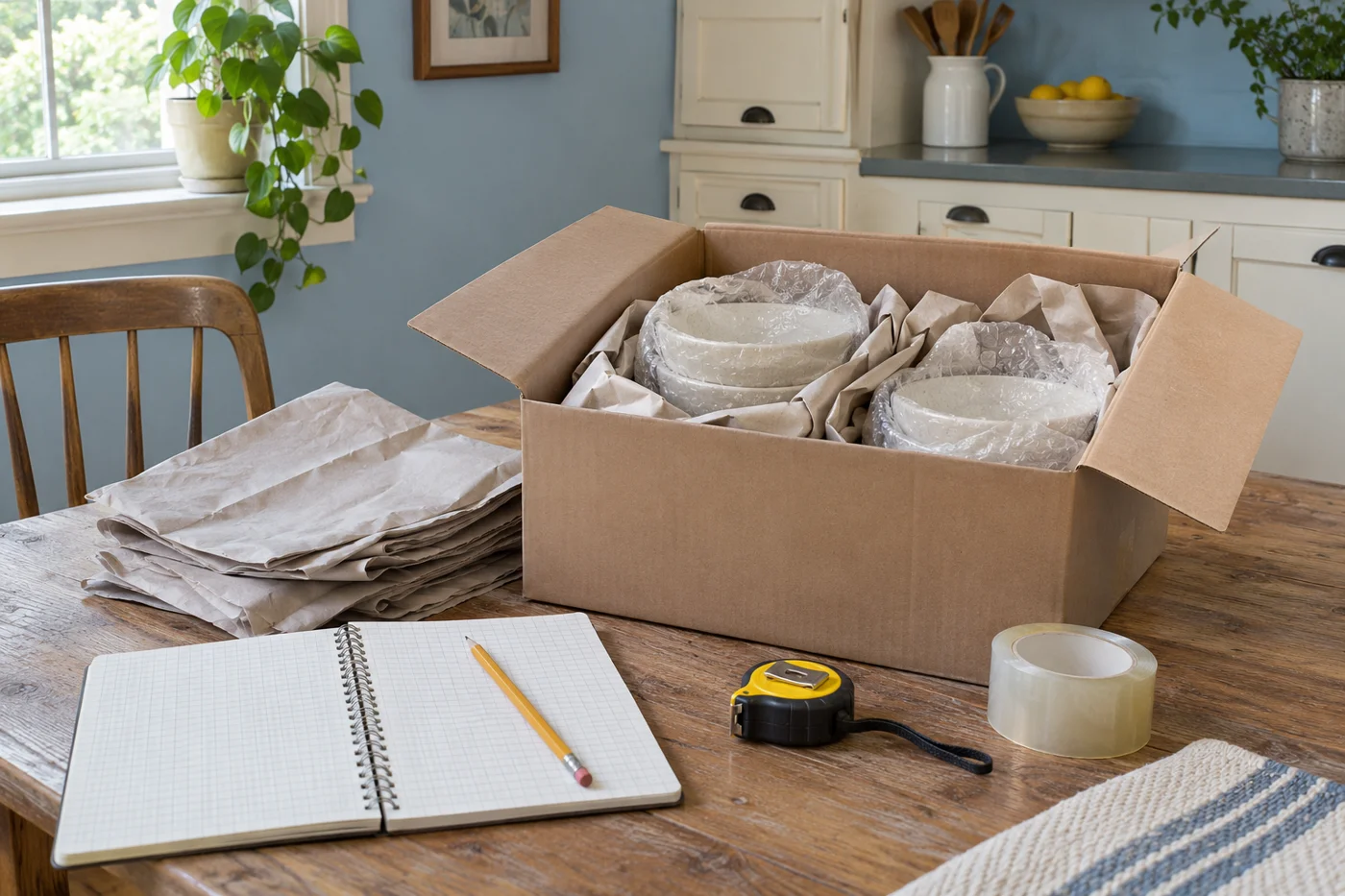
Ask the provider what packaging, parts, or documents it needs for review. Keep the relevant materials where safe and practical until you receive clear instructions. Do not discard a damaged component merely because a replacement seems obvious. Equally, do not keep a hazardous object in active household use just to preserve it. Seek appropriate guidance when safety and documentation needs must be balanced.
Avoid making an unapproved repair that could obscure the original condition before you understand the process. Ask whether an inspection or repair estimate is needed and who should arrange it. Record the response. If urgent action is necessary for safety, document the circumstances and obtain suitable professional help. Keep receipts and records of the work so the sequence remains clear.
Store loose parts with an identifying label and keep them separate from unrelated hardware. Preserve the association between the item, packaging, and photographs. A bag of unmarked broken pieces is difficult to interpret later. The aim is organized, relevant evidence that can be found when requested, rather than retaining every carton from the move indefinitely.
Gather ownership and value information accurately
Locate receipts, order confirmations, model details, or other records that identify the item. Keep copies with the item entry. If you obtain a repair or replacement estimate, record who supplied it and what it covers. Do not present an unrelated product price as though it were a confirmed valuation of your possession. Explain the basis of any amount you provide.
Review the protection or liability terms chosen for the move and any separate policy that may apply. The amount recoverable can depend on the applicable agreement and rules. Documentation does not by itself establish that a particular replacement price will be paid. Ask the provider or appropriate professional about the relevant terms rather than assuming every damaged object is handled under the same arrangement.
For a unique, antique, or specialist item, obtain advice from a suitable professional when needed. Keep the professional's findings separate from your own observations. A sentimental description may explain why the object matters to the household, while a technical assessment addresses repair or value questions. Both should be labeled accurately so the recipient can understand what each record establishes.
Follow the correct submission process
Ask where a written claim or report should be sent, what information is required, and how receipt is confirmed. Read the agreement and applicable official guidance for deadlines and procedures. Do not rely on a general guide to establish every requirement for your particular service. A note made at delivery, a customer service message, and a formal claim may have different roles.
Prepare the submission by item, with a concise description and clearly named supporting files. Keep a copy of exactly what you send and the delivery or receipt confirmation available to you. If the provider requests more information, record the request and your response. A consistent file structure makes it easier to supply an additional photograph or document without rebuilding the whole account.
Distinguish a complaint to an authority from a claim with the service provider. FMCSA explains that it does not resolve loss and damage claims against movers. A complaint may serve a different purpose from seeking a settlement. Consult the relevant official resources or qualified advice if you need to understand available dispute options. Keep each process and its communications clearly identified in your records.
Keep correspondence specific and traceable
Use the provider's reference number if one has been supplied and identify the item or question in the message. State what information you are providing or what response you need. Avoid sending a new message that omits the prior context entirely, but keep the current request easy to see. Save replies with the relevant item record and timeline.
If several household members communicate with the company, choose one person to maintain the central record. Others can supply observations or photographs without creating inconsistent descriptions. Check factual details before sending, especially dates, quantities, and item identifiers. Correct an error openly if you discover one. A reliable record can be revised without pretending the earlier version never existed.
Keep follow up dates in a calendar you use. The document organizer can index the records, but it does not send reminders or contact the mover. Note the next action and who is responsible. If a response does not address a particular item, ask about that item directly. A focused follow up is easier to assess than repeating the entire complaint without identifying what remains unanswered.
Use a damaged table example to organize the record
Imagine a dining table arrives with a cracked leg. The household first keeps the table out of use and photographs the whole piece, the leg, and the relevant packaging. It records the inventory identifier and compares the area with a photograph taken before packing. The written note describes the crack and when it was noticed. It does not guess which handling event caused it.
The household locates the purchase record and the moving agreement, then asks the provider how to report the concern and whether an inspection is needed before repair. It retains the supporting files and records the response. If a repair professional is requested or appropriately engaged, that assessment is added with its issuer and date. The original observation remains distinct from the later technical opinion.
This example shows a useful order: make the situation safe, identify the item, record the condition, preserve relevant evidence, and follow the proper process. The same structure can be adapted to other goods without assuming the same cause or outcome. Each item needs its own facts and the terms relevant to the service under which it was moved.
Close the record when the issue is resolved
Keep the final response and any accepted arrangement with the original submission. Record what was repaired, replaced, paid, located, or otherwise resolved. Check that the action actually occurred before closing the task in your household list. If some items are resolved and others remain open, mark them separately so a partial response does not obscure unfinished questions.
Retain the records according to your needs and any applicable requirements. Remove unnecessary duplicate sharing copies through your normal document practices, while preserving the meaningful history. Do not discard important material solely because the moving day feels distant. A concise final file should show the concern, the supporting information, the communications, and the outcome without requiring you to reconstruct the sequence from memory.
Good documentation supports clear communication. It identifies what was observed, connects the evidence to the correct item, and separates facts from assumptions. It does not guarantee a particular result, but it gives the household and provider a usable basis for reviewing the concern. That practical clarity is the reason to document moving damage promptly and carefully.
Use file names that distinguish the object, view, and stage. A name indicating the table before pickup is easier to retrieve than an anonymous image number. Keep a small index listing the photographs and documents associated with each item. If you share a selected group, retain a copy of that group with the message. This helps you answer a later request about what the provider has already received and prevents an important image from being overlooked among unrelated household photographs taken during the move.
Before sending the record, check that another person could understand it without your spoken explanation. Can they identify the item, see the concern, follow the dates, and locate the supporting document? Ask a household member to review for unclear names or missing context where appropriate. Correct those gaps while the facts are fresh. Keep the language direct and the requested next step visible. A careful final review can improve the usefulness of the submission without adding unsupported conclusions or unnecessary detail about events that do not bear on the concern being reported.