
Build the Vermont plan around access and responsibilities
A Vermont move needs a clear account of the work and the properties. A rental in Burlington, a village home, and a rural house with a private approach can require different vehicles, labor, and timing. Start with the two addresses, the date range, and the belongings you intend to take. Then identify who will pack, load, transport, unload, and complete the property handoffs.
A self move can combine household work with professional services. You might pack and drive while hiring loaders, or load a container that a provider transports. Write the division of work explicitly. Each arrangement needs suitable equipment, confirmed people, and a schedule that connects the stages. A vehicle reservation alone does not establish how the household will complete the move.
Keep uncertainty visible. If the destination is not yet available, the driveway has not been assessed, or a large item may be donated, record the question and the person responsible for resolving it. Share those facts with providers before accepting a detailed plan. Early honesty helps prevent a provisional assumption from becoming an unexpected moving day problem.
Map the final approach before choosing transport
Describe the route from the maintained public road to the property's loading point. Include private lanes, turns, surface, grade, overhead clearance, gates, and space for the vehicle to leave. Ask the provider to assess the actual approach for its equipment. A passenger vehicle reaching the house does not establish that a larger truck can use the same path safely.
Take photographs and measurements where they will help the assessment. Show the relationship between the entrance, turns, stopping area, and carrying route rather than sending only a close picture of the driveway. If a bridge, culvert, or other structure raises a question, obtain reliable information from the responsible party. Avoid making an unsupported judgment about capacity from its appearance.
Confirm permissions for shared or private access through the appropriate owner or property contact. Keep gates and codes managed through an approved process. Name the person who can resolve an access issue on the day. The transport plan needs a complete route to the receiving rooms and a practical way for the vehicle to depart afterward.
Recheck the property when conditions change
A driveway or lane can behave differently under rain, snow, thawing, or other seasonal conditions. Review its current state close to moving day and tell the provider about meaningful changes. Avoid relying on an earlier dry visit as a guarantee that the same vehicle can use the approach later. Let the responsible operator apply its own guidance to the actual conditions.
Ask what happens if the planned access becomes unsuitable. A revised date, different vehicle, or additional handling may be possible, but it must be confirmed. Obtain the scope, timing, and cost of an alternative before relying on it. Do not improvise an unloading point beside a road or expect personal vehicles to replace a professional transport plan for a large shipment.
Keep the household's needs separate from the vehicle decision. If delivery is delayed, people still need a suitable place to stay and access to essential belongings. Carry those items with you according to their requirements. A practical fallback includes the household, the shipment, and the contacts needed to reconnect them.
Use current road and weather information
Consult current official travel information, including the Vermont information available through New England 511, before departure. Check public road conditions and relevant restrictions, then use appropriate local or property information for the final approach. A route selected during the first estimate may need revision by the time the vehicle travels.
Review official forecasts for the origin, route, and destination. Conditions can differ along the journey, especially when the properties and roads have different elevations or exposure. Ask providers how weather related changes affect reservations and keep their contact details accessible. A confirmed date should support planning while allowing a responsible response to unsafe conditions.
For a rental vehicle, follow the company's operating guidance and plan suitable stops. Allow time for breaks and avoid a schedule that requires driving while exhausted after loading. If travel changes the return or unloading arrangement, contact the relevant provider early. A deadline is a reason to clarify options, rather than a reason to continue through conditions you cannot manage.
Compare truck rental and container arrangements
For a rental truck, confirm the actual pickup location, vehicle category, included time and mileage, and return process. Ask whether the location or vehicle can change and how you will be informed. Include travel to the branch and from the final property to the return point in the schedule. Those trips can affect when loading help should arrive.
For a portable container, check placement and collection requirements at both addresses. The equipment may need more space than the container's footprint. Obtain any property permission or local approval that applies, and confirm who is responsible for it. Ask how loading time, transportation, storage, and final collection are priced and scheduled.
Compare complete services using the same inventory. A container can remove the household's driving responsibility while leaving loading and unloading with you. A truck may offer a different schedule but require a suitable driver and return journey. Decide from the actual route, access, labor, and terms rather than a broad claim that one method is always cheaper.
Check the vehicle against the shipment
Inventory furniture, cartons, outdoor belongings, and goods stored in garages, basements, sheds, or other buildings. Record long, heavy, fragile, or unusual items separately. Measure the packed dimensions of difficult pieces and note what can be disassembled under the relevant instructions. The list should describe what will actually be waiting to load.
Compare the shipment with the vehicle's usable dimensions, opening, and load limits. Volume and weight are separate checks. A collection of dense equipment can affect the permitted load before the space looks full, while a long piece can fail to fit despite a modest total volume. Ask the provider or a suitable loading professional when the arrangement is uncertain.
Leave practical room for protection and securing the load. Do not assume that every inch of rectangular cargo space can be used efficiently. Furniture shapes and fragile goods can require a different arrangement. A calculator can organize estimates, but the actual vehicle and safe loading requirements determine whether the plan is suitable.
Arrange labor that fits the route and items
Tell hired loading or unloading crews about stairs, carrying distances, vehicle placement, and the inventory. Ask what equipment and protective materials they supply and whether they secure the load for transport. Confirm any assembly work and special handling separately. The crew should know what it is being asked to do before arriving at a remote or difficult site.
For friends or relatives helping, confirm availability and assign tasks that suit their abilities. Someone can label rooms, keep records, supervise children, or manage supplies without carrying furniture. Avoid making a critical role depend on an uncertain offer. Keep a fallback for driving and difficult handling, especially when another trip to obtain help would be impractical.
Coordinate labor with the vehicle's confirmed arrival. A crew cannot load a container that has not been placed or a truck still at the branch. Ask paid providers how changes are handled and share updates directly. The separate reservations need a realistic handoff so one delay does not leave everyone following incompatible schedules.
Check the services around a rural destination
Identify the practical services you may need during the move and verify their actual locations and availability. Fuel, groceries, equipment returns, accommodation, and last minute supplies may require a separate trip from the destination. Use current information for the places you intend to rely on. A plan that assumes you can immediately replace missing equipment or buy packing materials nearby can fail when the required service is farther away or unavailable during your working window.
Confirm how the household will communicate at the property. If mobile reception or internet availability is uncertain, arrange a practical method for contacting the driver and other providers. Give the carrier clear directions and an agreed contact process before the journey. Avoid choosing an improvised meeting location that is unsuitable for the vehicle. The driver needs a safe, understandable handoff rather than a series of last minute directions from someone with an unreliable connection.
Ask the property contact about systems or equipment that are unfamiliar to you. Obtain suitable instructions and qualified assistance where needed before using them. The moving checklist can identify the question, while the responsible professional establishes the appropriate operation or condition. Keep technical documents accessible and separate from general packing notes. This prevents the first evening from depending on an improvised repair or a search through sealed cartons for essential instructions.
Prepare the initial household setup before committing every available hour to unloading. Keep food, clothing, bedding, and necessary personal supplies with the people traveling. Confirm where children or pets will remain supervised if the home needs additional preparation. A suitable first night arrangement gives you time to check the shipment and settle the immediate tasks without making each unopened box an urgent problem.
Prepare city and village building access
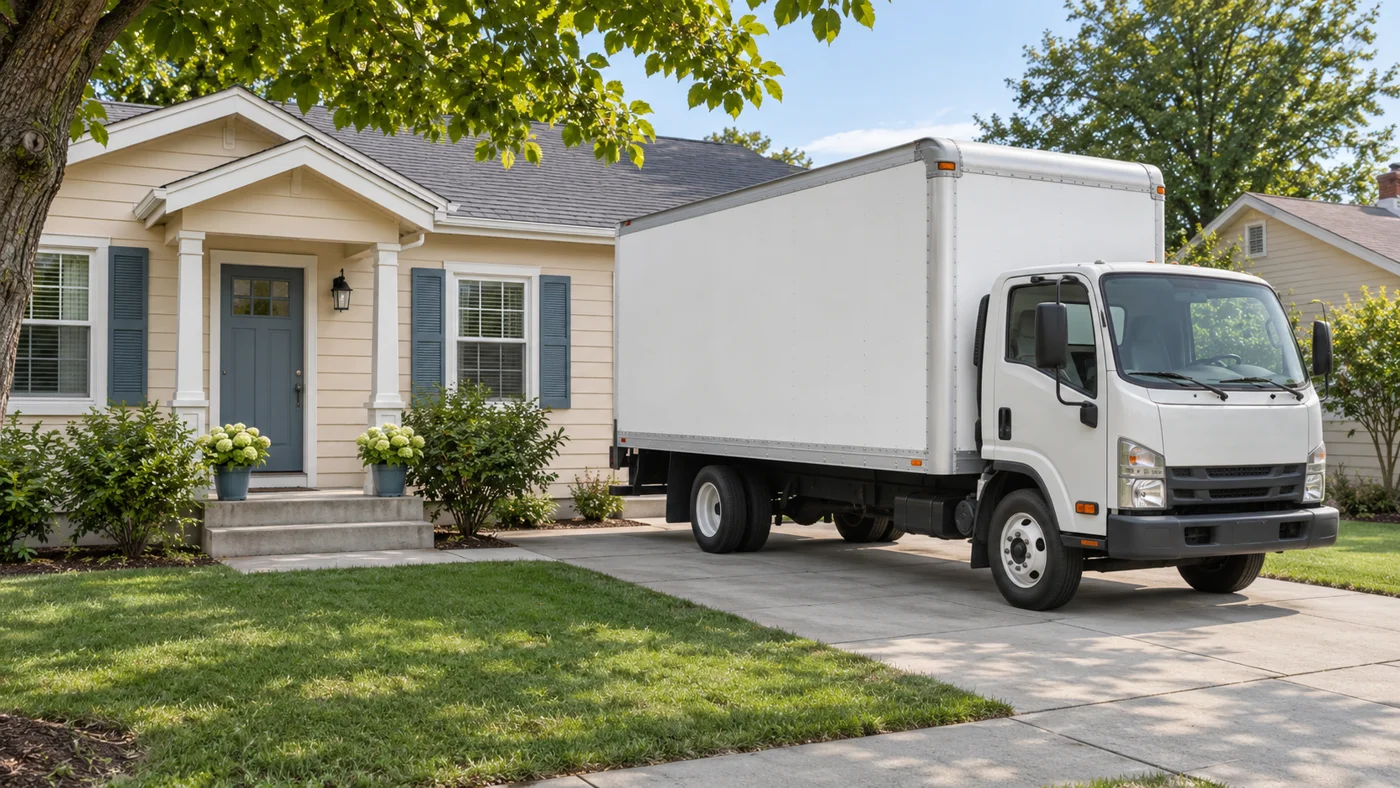
For an apartment or shared property, ask about the approved loading position, entrances, hours, elevators, and protective requirements. Confirm the process for your actual building and date. A village street or compact city property may have different constraints from the driveway shown in a general rental advertisement, so inspect the site rather than relying on assumptions.
Measure furniture against doorways, hall turns, stairs, and any lift used for the move. Check whether a piece assembled in a room can leave in its present form. Arrange suitable preparation or professional help in advance. Do not assume that a crew can remove property fixtures or use another entrance without permission.
Keep parking and access authorization with the moving records. Tell the driver where to go and provide a contact who can answer questions. If the arrangement changes, update the receiver and providers using one current note. Clear directions and permissions reduce unnecessary waiting when the vehicle and labor are booked for a limited period.
Sort belongings before paying to transport them
Review furniture and stored goods against the new home's usable space. Decide what supports daily life and what can leave through an agreed sale, donation, recycling, or disposal route. Keep uncertain items on a list with a decision date. An undefined pile can survive every packing session and still be waiting when the truck arrives.
Complete handoffs early, especially for large pieces. A donation intention does not remove an item from the shipment until the recipient accepts and collects it. If the arrangement fails, choose a lawful fallback or tell the provider the item will move. Keep the inventory current so the vehicle and labor plan remain accurate.
Check ownership before removing shared or family belongings. Ask the relevant person what they want and agree on a practical collection date. Do not treat an approaching move as permission to decide for another owner. Clear decisions reduce the volume you pack while avoiding disputes and last minute changes.
Plan storage through final release
If the homes are not available on the same schedule, compare storage options before loading. Ask how belongings enter the facility, what access is available, and how delivery out is booked. Include transport and handling as well as the recurring storage amount. The arrangement should explain the complete sequence to the final property.
Discuss conditions needed by sensitive belongings and confirm the actual service features. Follow suitable preparation guidance and avoid inferring temperature or humidity control from a broad description. Keep the agreement with the inventory and transport records. If the duration may change, ask how an extension affects price, access, and availability.
Carry daily essentials separately for the expected gap. Clothing, documents, work materials, and personal supplies may be difficult to retrieve from a stored shipment. If access requires an appointment or additional handling, know that before relying on a particular carton. A storage plan should allow the household to function while the main belongings are elsewhere.
Compare professional estimates when buying more help
If you choose a mover for part or all of the work, give each prospective provider the same inventory, dates, and access information. Read the written proposals for included packing, materials, transportation, storage, and delivery services. Ask what assumptions affect the price and how changes are recorded. A useful comparison looks at the full scope and terms.
Identify the legal business responsible for transport and determine whether another company arranges the service. Check the relevant official information for your type of move. FMCSA consumer resources can help with interstate household goods concepts such as estimates, inventories, valuation, and carrier or broker roles. For a move within Vermont, verify the applicable current requirements through the appropriate official channels.
Ask about your most likely complication, such as a changed driveway condition or delayed possession. Keep material answers in the relevant documents. A clear explanation of the process and contact is more useful than a promise that the company will work something out later. The agreement should reflect the move you expect to purchase.
Budget for the sequence you can actually complete
List the vehicle or moving service, packing supplies, equipment, labor, travel, storage, and property related expenses separately. Mark which amounts are confirmed and which are estimates. Read the proposals before adding costs so an included service is not counted twice. Keep the assumptions beside the total. That makes the budget easier to revise when the route, inventory, or access arrangement changes.
For a self move, calculate the whole rental period and journey. Include pickup and return travel, fuel, mileage outside any allowance, and a plausible delay based on the actual terms. If the plan requires a second trip, include loading and unloading again as well as the drive. A lower daily rental amount can be offset by additional time or distance, so compare complete alternatives using the same shipment.
Keep payment timing visible. Deposits, balances, labor payments, and accommodation may fall on different dates. Expected refunds or proceeds from a sale should remain separate until confirmed. The household may need more cash available during the transition than the final net cost suggests. Review the schedule of payments alongside the working schedule so one reservation does not depend on money that arrives later.
Update estimates as actual purchases and bookings occur. Ask household members to report receipts to the person maintaining the record. At the end, compare the final charges with the accepted arrangements and ask about specific unexplained differences. Keep the documents while questions remain open. The budget should help the household choose and complete a workable move, with the costs and responsibilities understood before the busiest day arrives.
If a provider recommends another vehicle or handling stage after assessing access, request the revised scope before adjusting the budget. Record the reason and the accepted amount together. This connects the financial change with the practical problem it solves and helps everyone supervising the move understand what work is now included.
Pack for safe handling and early access
Use sound containers suited to the contents and keep them manageable. Label boxes by destination room and identify priority cartons through a clear system. Keep private details and valuable contents out of visible labels where appropriate. A box number connected to an inventory can help when the move includes storage or several destination buildings.
Prepare furniture according to suitable instructions and keep hardware identified. Arrange qualified help for technical disconnection or tasks beyond your ability. Check the provider's acceptance requirements for household products and equipment. Do not conceal an uncertain item in a general box or leave its disposal until the rest of the home is empty.
Separate the household's essentials from the shipment. Tell helpers which bags are traveling with you and keep them out of the loading stream. Check them before departure because daily use may have removed something after packing. A small organized kit makes the first night and a possible delay easier to manage.
Ready the destination for people and belongings
Confirm possession, keys, essential services, and the agreed loading area. Check that rooms and storage spaces are suitable for the goods assigned to them. If a property issue affects access or safe use, contact the responsible person or qualified service and inform the mover. Avoid unloading into an uncertain area simply because it has available space.
Label receiving rooms and make a plan for large furniture. Keep carrying routes clear and prepare a separate place for first night supplies. If the property includes several buildings, mark the destinations precisely. A carton placed in the wrong structure can be difficult to locate even when the shipment is complete.
Name an authorized receiver who can remain available through the delivery window. Give them the inventory, current documents, and contact details. Keep care for children and pets separate from unloading supervision where relevant. Clear roles make the handoff more workable when arrival, placement, and household needs occur together.
Finish transport and property obligations deliberately
At pickup, review the inventory and identify belongings staying behind or traveling personally. Read documents before signing and keep copies accessible. After loading, inspect every area included in the move, especially storage rooms, sheds, and places used for final cleaning supplies. Resolve overlooked items before the vehicle leaves when possible.
At delivery, check the shipment and record visible concerns through the relevant provider's process. Retain useful photographs and paperwork while questions remain open. For a rental truck or container, follow the return or collection instructions and obtain confirmation. The move includes that final equipment handoff as well as unloading.
Review final charges against accepted terms and revisions, then complete remaining utility and property tasks. Keep unresolved questions on a short list with an owner and next action. A Vermont moving plan works when access, vehicles, people, and receiving spaces are coordinated through the last handoff, leaving the household with usable rooms and clear records.