
Coordinate the household shipment and the car
A West Virginia move may involve two separate transportation jobs: moving household goods and getting a vehicle to the destination. Decide early whether you will drive the car, have another authorized person drive it, or hire vehicle transportation. Compare the complete arrangements, including personal travel, delivery access, and the period when the car may be unavailable. A household mover that discusses auto transport may arrange it through another provider, so ask who actually performs each service.
Write down the origin and destination addresses, the vehicle details, and the dates when you can release and receive it. Include any condition that affects loading, such as whether the vehicle operates normally or has unusual dimensions. Give the provider accurate information rather than assuming those details can be resolved when the driver arrives. The carrier needs to know what equipment and access the job requires before accepting the reservation.
Keep the vehicle schedule and household delivery window in one calendar. You may need the car for errands, key collection, or travel while the furniture is still in transit. Alternatively, the vehicle may arrive before you do. Ask how an authorized recipient can accept it and what documentation is needed. A practical plan identifies who will be present for each handover instead of assuming the shipments will follow the same timetable.
Describe West Virginia access precisely
West Virginia's terrain makes the final approach to a property important. A delivery in a developed part of Charleston, Huntington, or Morgantown differs from a home reached by a narrow hillside road. Provide photographs of the entrance, road turns, gates, and available unloading space. Do not assume that a household moving truck or vehicle transporter can use every route your passenger car can navigate.
Ask the property owner or responsible authority about restrictions when a bridge, private road, or other feature needs checking. Share the information with the provider and let the driver assess the vehicle's suitability. Avoid making unsupported assurances about clearance, weight, or turning space. A detailed access conversation may show that the handover needs to occur at a different location, which should be agreed before dispatch.
For any proposed meeting point, confirm permission, space, and a safe way for the parties to meet. An open parking area is not automatically available for commercial loading. Ask who will coordinate the location and how you will receive the final instructions. Keep the arrangement documented and make sure the recipient can reach it. A different handover point affects personal travel as well as the transporter's route.
Identify the provider responsible for the vehicle
Ask whether the business taking your booking is the carrier or a broker arranging transportation. Both roles require clear identification in your records. Request the legal business name and the contact responsible for updates. If another company will handle the vehicle, ask when its identity and instructions will be available. Keep the booking agreement, carrier details, and payment records together so you can distinguish the responsibilities of each party.
Check relevant records through official sources appropriate to the service. Do not rely only on a badge, association claim, or number displayed in an advertisement. Compare the identity you verify with the one on the agreement. Ask about any difference in names rather than assuming it is either harmless or proof of a problem. The goal is a consistent account of who accepted the booking and who will take possession of the vehicle.
Ask how concerns are handled at pickup, in transit, and after delivery. A salesperson may not manage dispatch or a later damage report. Save the appropriate contact for each stage and the process the provider asks you to follow. Clear responsibility matters more than a broad assurance that everything is covered. You need to know where a specific question goes and what information should accompany it.
Compare vehicle transport proposals on equal terms
Give each provider the same vehicle description, dates, addresses, and access information. Ask what transportation method is proposed and what the service includes. If one offer uses an open transporter and another an enclosed arrangement, the totals describe different services. Discuss why a particular method fits the vehicle and your preferences. Avoid paying for a label without understanding the actual protection, handling, and delivery terms associated with it.
Review the pickup and delivery windows carefully. Ask which dates are estimates, which commitments are written into the agreement, and how changes are communicated. Confirm the cancellation and rescheduling terms before paying. If the vehicle is needed for a fixed event, explain that requirement and ask whether the service can meet it. A general expected arrival date should not be treated as a guarantee without written support.
Check what the price includes and what conditions could change it. Discuss vehicle condition, unusual dimensions, access, storage, or an alternate meeting point when relevant. Ask about payment timing and accepted methods. Keep the written response with the proposal. A useful comparison shows the service and assumptions behind each total, allowing you to decide which arrangement fits your move rather than choosing from unexplained numbers.
Prepare the car for a documented handover
Follow the selected carrier's written preparation instructions and the vehicle manufacturer's guidance where appropriate. Ask what should remain in the vehicle, what must be removed, and what information the driver needs. Do not assume household boxes can travel inside the car under the transport agreement. Personal belongings may be restricted or treated differently, so resolve the question before using the vehicle as extra shipment space.
Remove valuables and items you need during the journey. Check storage compartments, the trunk, and any place where documents or electronics are usually kept. Keep a record of the keys or access devices handed over. If the vehicle has an alarm or a particular operating procedure, provide the necessary instructions through the agreed channel. The driver should receive the information required to move it without searching for an absent owner.
Clean enough of the vehicle to make its condition visible and photograph it before release. Capture broad views and close views of existing marks, using lighting that shows the surfaces clearly. Record relevant details with the handover documents. The purpose is a usable condition record, not a decorative photo set. Make sure photographs can be connected to the correct vehicle and date if you later need to explain a concern.
Plan household moving as its own service
Inventory the household goods separately from the vehicle arrangement. List furniture, packed boxes, outdoor equipment, and possessions in storage areas. Identify what you will pack and what the mover should prepare. Ask for a survey that includes the full shipment and the carrying route. A household estimate should not rely on an assumption that everything fits easily through the doors or that the truck can stop beside the entrance.
Compare the written scopes for packing, loading, transportation, unloading, and any storage. Ask about disassembly, specialty items, additional stops, and difficult access where relevant. Confirm whether the company is the carrier or a broker. For interstate household goods service, use official federal moving consumer resources. For a move entirely within West Virginia, check the applicable requirements through official state sources before accepting the agreement.
Do not assume the vehicle and household contracts use identical terms. They may have different contacts, payment schedules, delivery windows, and reporting procedures. Keep each agreement clearly labeled and record the tasks that connect them, such as who will be at the destination. A coordinated household plan can include separate services without treating one provider's promise as a commitment from every company involved.
Review hills stairs and carrying distances
Show the household mover the complete route from the truck location to the rooms. Include exterior steps, sloping paths, interior stairs, landings, and narrow doorways. Measure awkward furniture and relevant openings. A piece may fit the destination room while failing to pass through the entrance. Discuss disassembly or specialist handling before loading rather than expecting the crew to improvise a solution after arrival.
Clear loose objects from the carrying route and address property defects through the owner or a qualified professional. The moving crew should not be expected to repair an unsafe step or railing. Ask about suitable floor and doorway protection, and avoid coverings that create a slipping or tripping hazard. If the normal entrance cannot be used, agree on an alternative early enough to assess its feasibility.
At the destination, decide where large furniture belongs before unloading. A room sketch with matching labels helps the crew place items correctly. Identify any room that is not ready and choose a temporary location that preserves access. Repeatedly carrying a heavy piece between levels because placement remains undecided adds unnecessary handling. A little measurement and planning before delivery can prevent that problem.
Prepare for season and elevation differences
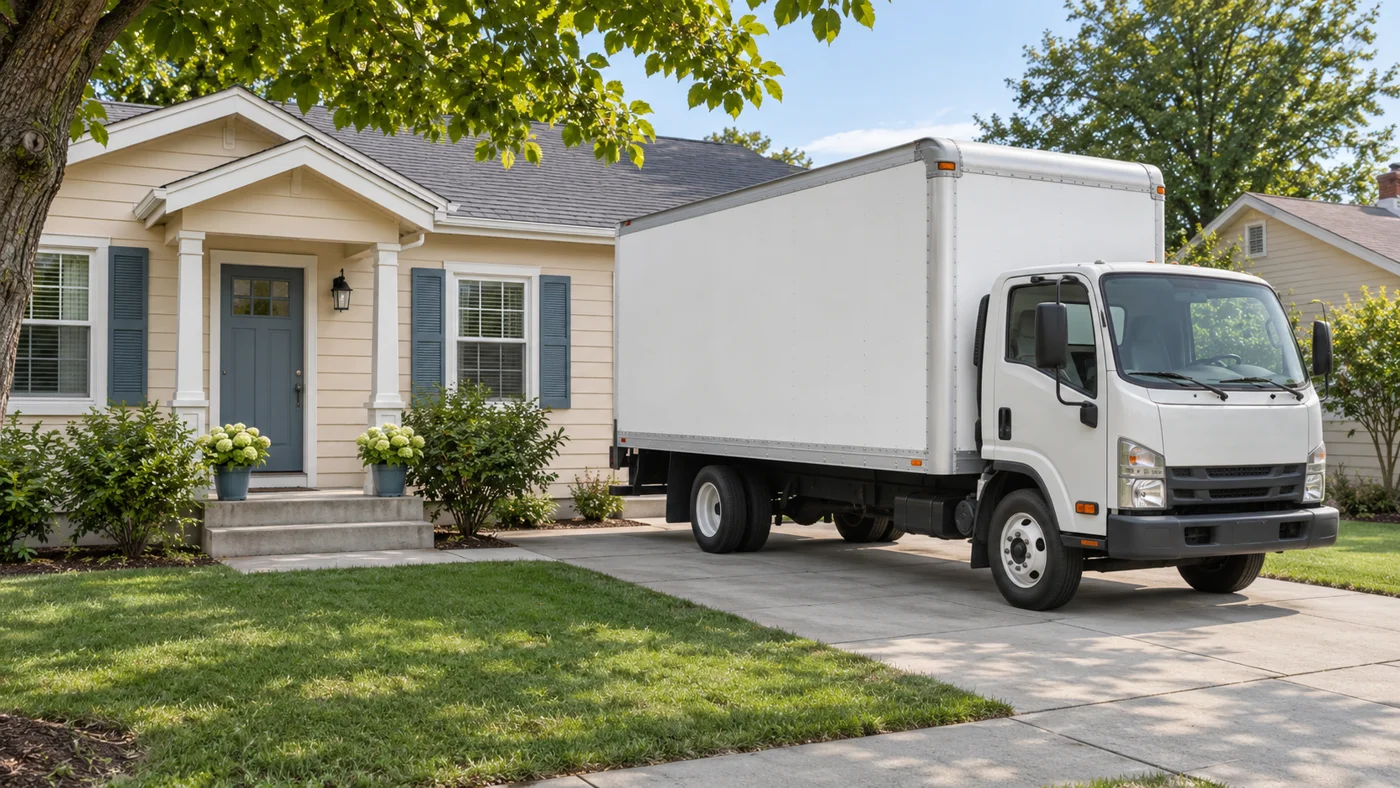
Check current conditions for the two properties and the actual route shortly before travel. West Virginia conditions vary by location, elevation, and season. Ask each provider how unsafe weather affects its service and who will send updates. Keep important documents and personal supplies with you. A household plan should accommodate a delay without requiring access to goods that are already on a truck or in storage.
If snow or ice is possible, arrange safe access at the properties before pickup or delivery. Clarify who clears steps, walkways, and loading areas. Keep water and tracked moisture from creating slippery indoor paths. In rain, protect cartons from wet surfaces and ask how furniture will be covered during handling. Reassess the work if conditions deteriorate rather than treating the original timetable as more important than the route's safety.
For personal travel, consult current official road information when conditions warrant it and follow applicable guidance. The vehicle transporter or moving truck may use a different route from your own car. Do not assume you can predict its arrival from your travel time. Keep communication available, but allow the provider to make operational decisions about its vehicle. Coordinate the receiving arrangements using confirmed updates instead of guesses.
Arrange services before the shipment arrives
Confirm possession of the destination and how keys will be collected. Ask utility providers about appointment windows, access requirements, and the services available at the address. Keep confirmations accessible without unpacking. Internet installation may involve a separate visit or equipment requirement, so plan work needs accordingly. A request submitted online does not establish that everything will be operating when you reach the property.
Inspect the home before furniture blocks access. Record existing issues and report them through the appropriate owner or manager process. Check that the rooms needed immediately can be used. Mark room names clearly and keep the unloading entrance unobstructed. If a space has an unresolved problem, tell the crew before it begins placing furniture there. Moving the same items again creates work that a brief arrival inspection may avoid.
Keep a first use kit outside the shipment. Include clothing, toiletries, necessary medication, chargers, documents, basic bedding, and simple meal supplies. Add items for children, pets, work, or school according to your household. Prepare for the full delivery window rather than the earliest possible arrival. Store these bags separately so they are not loaded accidentally while you are answering another question.
Keep temporary storage decisions explicit
If your belongings cannot go directly into the new home, define the storage arrangement before pickup. Ask where the goods will be kept, how they are identified, whether access is available, and how later delivery is requested. Review handling and delivery charges as well as storage charges. Keep the agreement with the transportation paperwork. A monthly rate alone does not explain the entire transition.
Choose storage conditions that fit the possessions and expected duration. Ask the facility what its environmental terms actually mean and compare that answer with the needs of your goods. Pack only clean, dry items and keep an inventory of what enters storage. Decide which possessions you may need before final delivery and carry them separately when access to the stored shipment will be limited.
If the vehicle also needs temporary storage or delayed receipt, discuss it under the vehicle agreement. Do not assume the household mover can accommodate the car or that the transporter can hold it without a separate arrangement. Coordinate release and delivery dates with the person authorized to receive each shipment. Two clear storage plans are more useful than one broad assumption that everything can wait until the house is ready.
Inspect the vehicle when it is delivered
Arrange to be present or authorize a suitable recipient according to the provider's process. Allow time to examine the vehicle and compare it with the pickup condition record. Use lighting and access that let you see relevant surfaces. Take photographs of any concern, including an overall view that identifies the vehicle and closer views of the issue. Record what you observe without guessing about the cause.
Review the delivery documents and ask how a concern should be recorded and reported. Keep copies of the paperwork and follow the provider's stated process promptly. A conversation with the driver may be useful, but ask whether additional written steps are needed. Retain the pickup photographs, delivery photographs, agreement, and correspondence together. Those records let you describe a specific difference rather than relying on memory of the vehicle's earlier condition.
Check that the keys and accessories handed over at pickup have been returned as agreed. Follow any operating instructions relevant to the transport service and contact an appropriate professional if the vehicle has an unexplained operating concern. Keep the discussion factual and separate transportation questions from unrelated maintenance issues. The objective is an accurate handover record and a clear next step for any unresolved matter.
Reconcile the household delivery and remaining tasks
Check the household shipment against its inventory as goods arrive. Identify rooms and furniture positions before the crew begins unloading. Photograph visible damage while the item is accessible and retain relevant materials. Ask the mover about its reporting procedure and keep the documents associated with that shipment separate from the vehicle records. Each service should have a clear history of what was received and what needs follow up.
Review final charges against the agreed scope and authorized changes. Ask for explanations of unfamiliar items and retain the response. If a concern remains, write a concise account with dates, amounts where relevant, and supporting records. Separate billing questions from condition questions. A focused record makes it easier for the responsible provider to investigate without confusion between the household move and the vehicle transport.
After the essential rooms are functioning, complete the smaller commitments: equipment returns, storage release, key handover, and outstanding service appointments. Track any possessions still elsewhere and update the inventory when they arrive. Keep a final file for each transportation service. A West Virginia move involving a car works best when the two shipments are coordinated through a shared household schedule while their individual responsibilities remain clearly documented.
Test the plan with a hillside delivery
Consider a household moving to a home outside Morgantown while sending its second car by transporter. The furniture truck may be able to use the driveway after the mover reviews the approach, but the vehicle transporter may require a different meeting point. The household should ask each provider separately. Approval from one driver does not establish that another vehicle can use that route. Equipment length, turning space, and loading method can lead to different practical decisions.
The household sends photographs of the final turn, driveway, gate, and available space to both providers. It asks who will confirm the access plan and when. If the car needs to be received elsewhere, the household arranges an authorized recipient and checks permission for the meeting location. It also plans how that person will reach the location and return home. A handover point that works for the transporter still needs to work for the household.
Meanwhile, the furniture inventory identifies a cabinet that requires disassembly and several boxes needed immediately. The mover confirms its preparation tasks in writing. The household keeps personal essentials in a separate vehicle and labels destination rooms before unloading. It records different dispatch contacts for the two shipments and avoids scheduling both handovers at a time when only one adult is available. Each service has a responsible recipient and its own condition records.
This example does not promise that any particular truck can reach a hillside home. It shows the questions that turn a destination address into a receiving plan. Use the same approach for your property: identify the equipment, review the route, confirm permission, and assign a recipient. If an assumption changes, tell every affected provider. A revised driveway arrangement may alter household unloading while leaving the vehicle handover unchanged, or the reverse.
Budget for the periods between handovers
Vehicle transportation can create expenses beyond its quoted charge. You may need another way to travel while the car is unavailable, a different lodging location, or help reaching the delivery point. The household shipment can create its own gap between arrival and living. List these periods on the calendar and decide how you will handle them. Keep confirmed provider charges separate from allowances that still depend on dates or access decisions.
Review the cancellation and postponement terms for each reservation before relying on a changeable date. A revised home possession date can affect furniture delivery, personal travel, temporary accommodation, and car receipt in different ways. Contact the relevant businesses directly and obtain updated confirmations. Do not assume the company arranging one shipment has notified the other. Keep a log of changes with the date, person contacted, and response.
Before closing the moving file, check that all temporary arrangements have ended as intended. Confirm any equipment return, storage release, or outstanding appointment. Save receipts alongside the agreement to which they belong. If a question remains open, write down the next action and who is responsible for it. This keeps a small unresolved task from disappearing among unpacking work and helps the household finish the transition without repeat calls or forgotten commitments.